



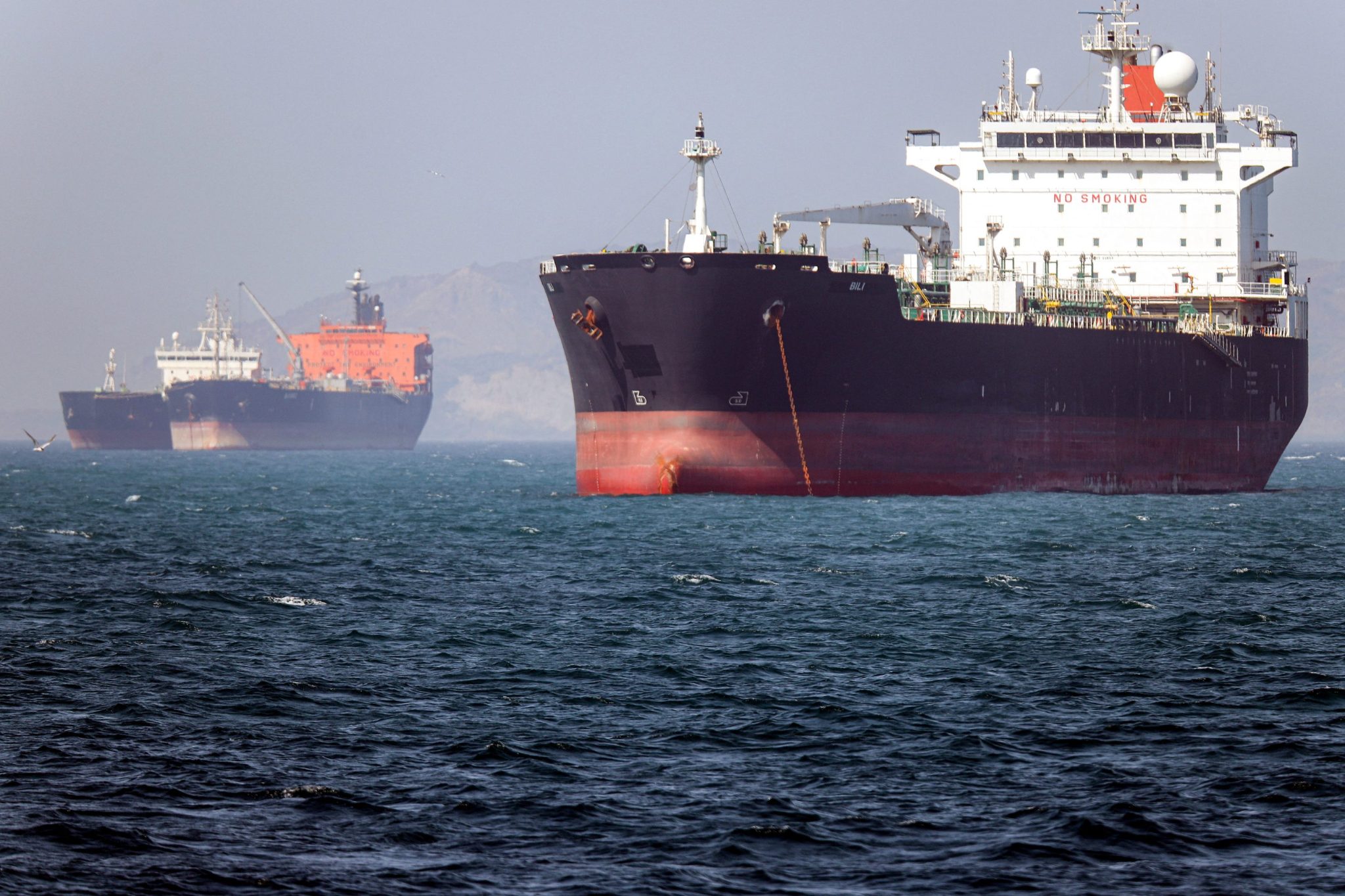
United States and Iran edge toward a deal while Strait of Hormuz blockade remains in place
The Gist
The standoff in the Strait of Hormuz, a narrow maritime chokepoint for global energy shipments, remained the central pressure point in negotiations as of May 24, 2026.
U.S. President Donald Trump said Washington’s blockade of the Strait of Hormuz would stay in place until the United States and Iran finish an agreement, even as officials and media reports suggested the two sides were edging closer to a deal that could reopen the critical shipping route [1][3]. The standoff in the Strait of Hormuz, a narrow maritime chokepoint for global energy shipments, remained the central pressure point in negotiations as of May 24, 2026 [1][3].
In social-media posts, Trump signaled caution about the pace and status of the talks, writing that he would not “rush into a deal,” adding that it “isn’t even fully negotiated yet” [1][5]. Trump also said the blockade would remain until an agreement with Iran was completed, underscoring that the administration was treating access through the strait as leverage rather than a confidence-building step ahead of a final accord [1][3].

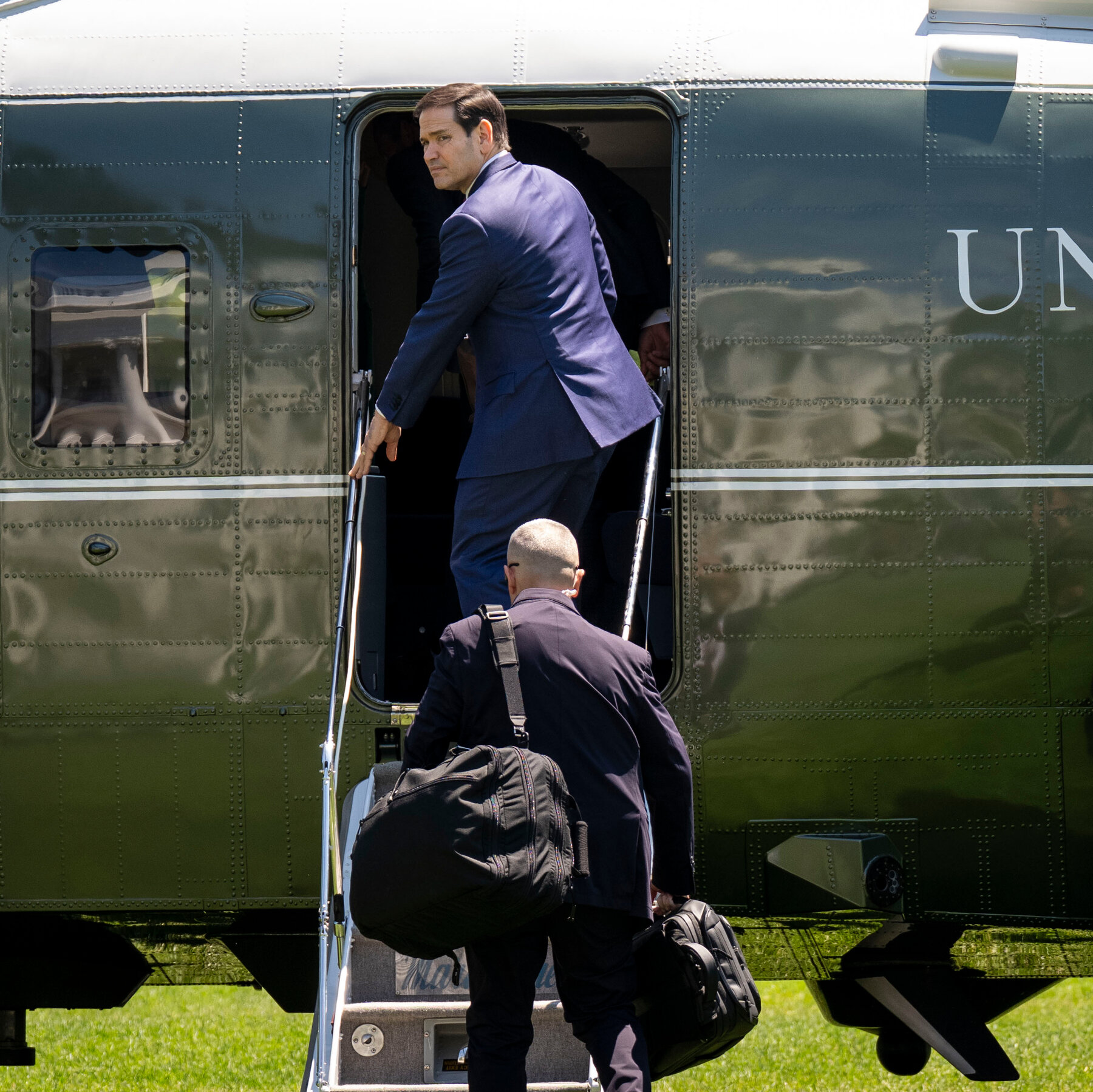
Behind the scenes, a U.S. official told The New York Times there was an “agreement in principle” that would reopen the Strait of Hormuz, tied to a commitment by Iran to dispose of its highly enriched uranium as of May 24, 2026 [4]. That account pointed to a potential trade: relief in the strait in exchange for a major nuclear concession, though the official’s description also suggested key details still needed to be finalized [4].
Iranian media, however, framed the situation differently, reporting that the Strait of Hormuz would remain under Iranian control despite any deal [2][2][3]. The reporting highlighted a gap in public messaging between Washington and Tehran’s media ecosystem, with the U.S. side emphasizing conditions for reopening and Iranian outlets emphasizing sovereignty and control over the waterway [2][3][4].
The economic stakes were also being openly discussed inside the Trump administration, with White House National Economic Council chief economic adviser Kevin Hassett linking a potential deal to energy prices and U.S. monetary policy [1]. “We expect energy prices, as soon as there’s a deal, to plummet,” Hassett said on May 24, 2026, adding that cheaper energy could create room for the Federal Reserve to cut interest rates [1]. His comments placed the negotiations in a broader domestic context, suggesting the White House saw a diplomatic breakthrough as a possible tailwind for inflation-sensitive energy costs and, indirectly, borrowing conditions [1].
The competing statements left the immediate status of the Strait of Hormuz blockade—and the timeline for any reopening—unclear, with Trump insisting the blockade would not lift until a completed agreement, while a U.S. official described an agreement in principle that would reopen the strait if Iran disposes of highly enriched uranium [1][3][4]. As of May 24, 2026, the most concrete signals were Trump’s insistence that he would not “rush” and Hassett’s prediction that energy prices would “plummet” once a deal is reached—two markers that investors and policymakers were likely to watch closely as negotiations continued [1][5].
How it's being framed
Iranian media reported that the strait of Hormuz would remain under Iranian control despite the deal.
President Donald Trump said Washington’s blockade of the Strait of Hormuz would remain until an agreement with Iran was completed
A U.S. official said there was an agreement in principle to a deal that would reopen the Strait of Hormuz with a commitment from Iran to dispose of their highly enriched uranium as of May 24, 2026.
Left-leaning outlets uniquely report these details
President Donald Trump said in social-media posts he wouldn’t “rush” into a deal with Iran, which “isn’t even fully negotiated yet”
“rush into a deal, which “isn’t even fully negotiated yet.””
— Fortune
Timeline· Live
Since the Middle East conflict began on February 28, 2026, marked by escalating tensions including intermittent closures of the Strait of Hormuz by Iran, military strikes, complex sanctions, and high-level U.S.-Iran talks, recent meetings in Oman have led the United States and Iran to edge toward a deal to wind down the war, fostering cautious optimism for a ceasefire and easing economic pressures, although the blockade of the Strait of Hormuz remains in place, underscoring ongoing challenges for lasting regional stability and global oil market security.
Iran conducts major drills and fires live missiles
Iran launched war drills in the Strait of Hormuz and fired live missiles, warning U.S. forces and at times closing the waterway; the actions heightened military tension ahead of planned talks. This showed Tehran using military maneuvers to press its bargaining position before negotiations.
Iran rejects U.S. ceasefire, submits its own proposal
Iran formally rejected a U.S. ceasefire plan and presented its own proposal to try to end hostilities, signaling Tehran's preference for a negotiated settlement under its terms. The move kept diplomatic channels open while fighting and naval confrontations continued.
Iran seizes ships and deploys more mines in Strait
Iran intensified maritime pressure by seizing cargo ships and deploying additional mines in the Strait of Hormuz, further restricting passage for commercial shipping. The actions reinforced Tehran's chokehold on the route and raised the risk of broader confrontation.
Oil prices spike as blockade reports roil markets
Reports of an 'extended' Iran blockade and constrained flows through Hormuz pushed oil prices sharply higher and prompted buyers to seek alternate supplies. The market shock underscored the economic stakes of the maritime standoff and accelerated re-routing and stockpiling decisions.
- Iran delivers latest proposal to end hostilities
Iran handed over a new proposal aimed at ending the war with the United States, offering terms that Tehran presented as a basis for negotiations. The submission opened a window for diplomatic engagement even as maritime incidents persisted.
U.S. pauses escort operation amid talks with Tehran
The U.S. announced a pause of its planned operation to escort commercial ships through the Strait (Project Freedom), saying progress in talks with Iran warranted a temporary halt to the military initiative. The decision marked a tactical shift intended to give diplomacy space while maintaining support for affected shipping.
International navies deploy and interdictions continue
France sent its aircraft carrier toward the Strait and U.S. forces interdicted an Iran-flagged tanker breaching the blockade, reflecting a mixed posture of naval deterrence and enforcement alongside ongoing diplomacy. The deployments signaled allied readiness to protect shipping even as talks progressed.
Related Coverage (2)
U.S. oil product exports hit record 8.2 million barrels a day last week
The United States also exported more than 5 million barrels per day of crude oil alongside refined products.
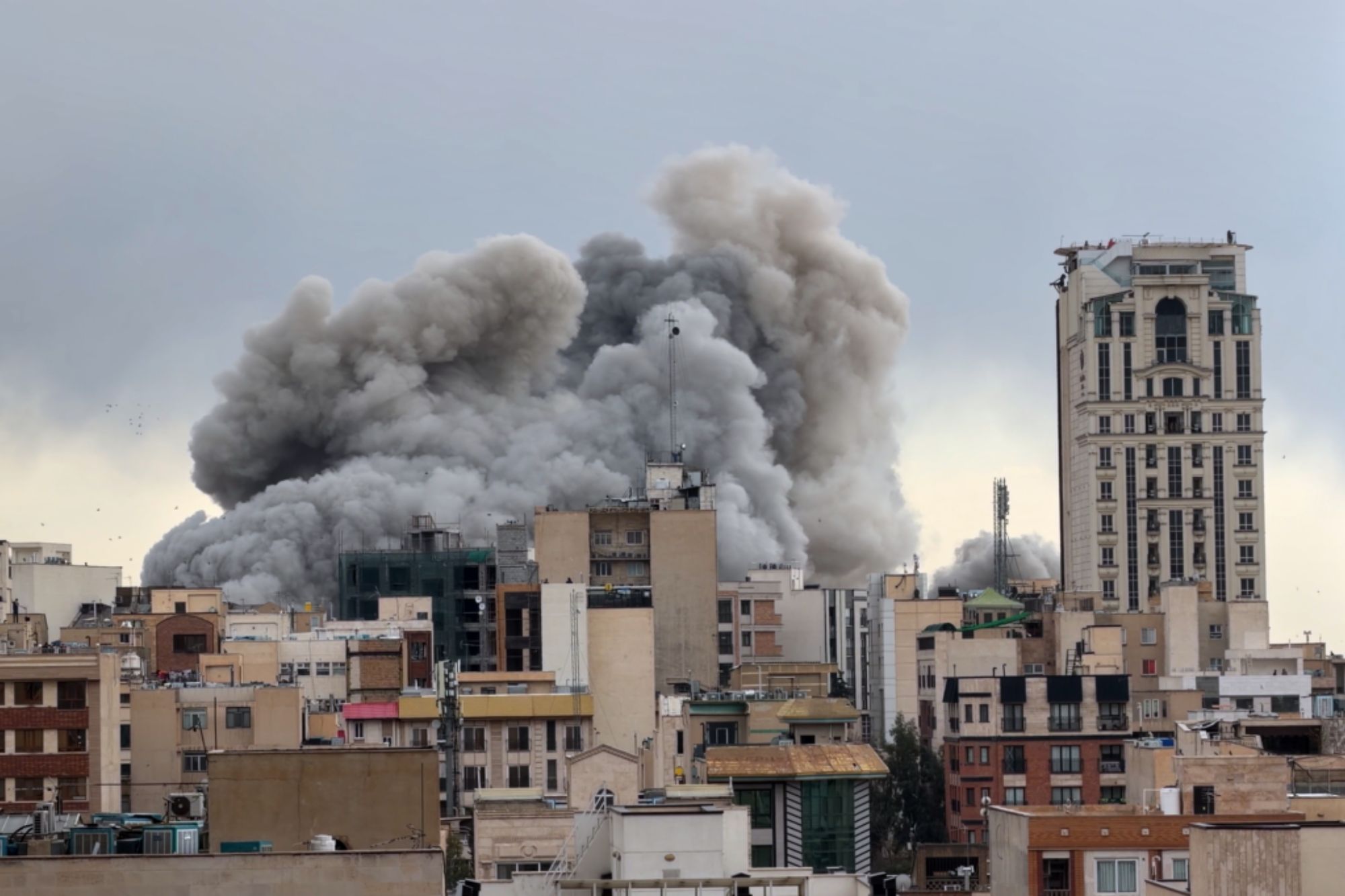
Iran sends new war-ending proposal to Washington via Pakistan
Pakistan received Tehran’s latest text for negotiations late on April 30 and forwarded it to the United States.
Sources (4)
Oil drops as U.S. says deal with Iran and Hormuz reopening is near
fortune.com
What is included in the Iran ceasefire deal?
theguardian.com
What is included in the Iran ceasefire deal?
theguardian.com
Rubio Says Details on Iran Nuclear Program Still to Be Negotiated
nytimes.com
Published May 24, 2026
Synthesized from 6 sources