



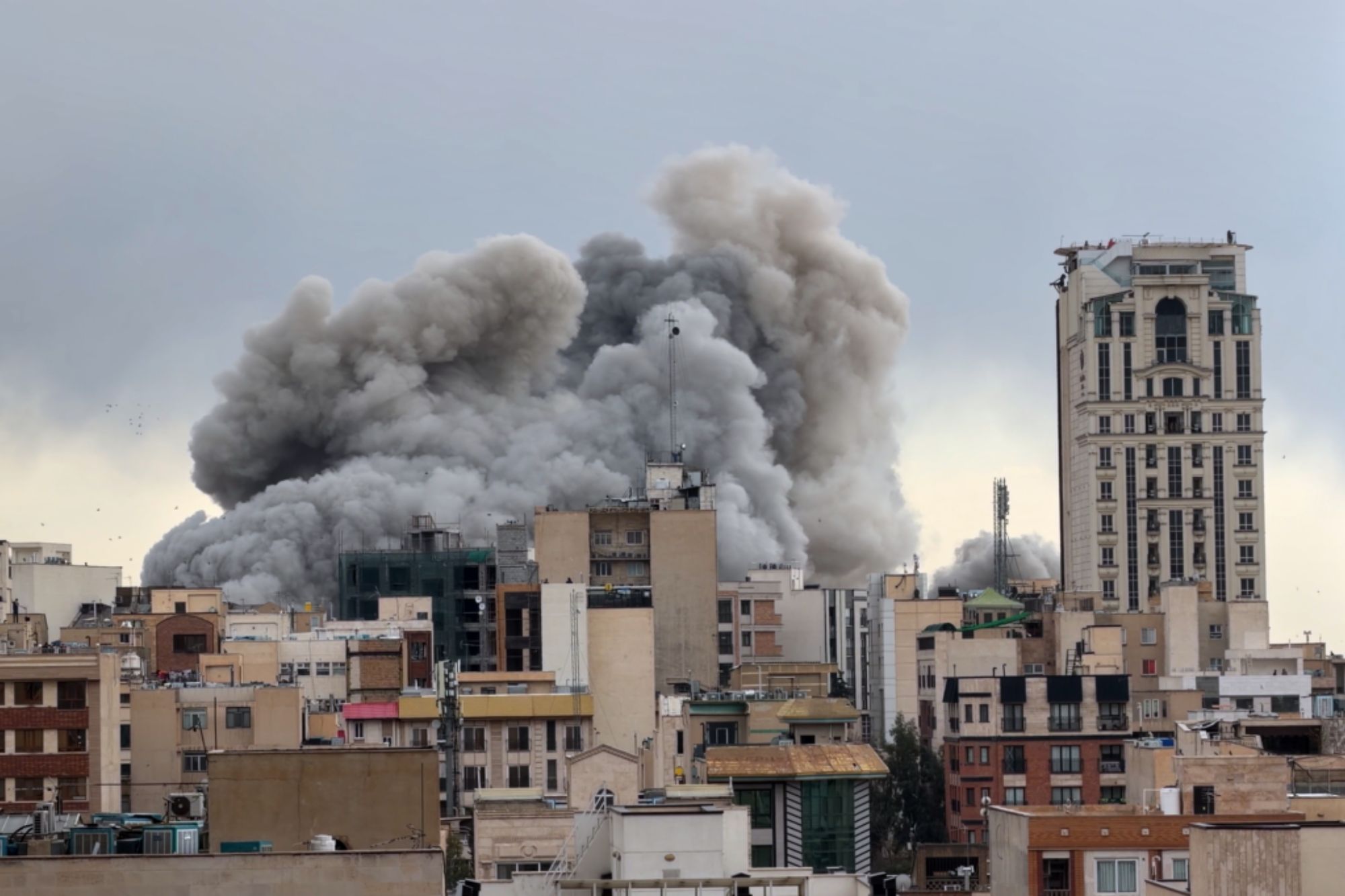
Iran sends new war-ending proposal to Washington via Pakistan
A new written proposal billed as a possible off-ramp from fighting between Iran and the United States was put into diplomatic circulation on April 30, with Pakistan acting as the courier to Washington. Reuters reported, citing Iranian state media and a Pakistani official, that Islamabad received Tehran’s latest text late that day and forwarded it to U.S. officials, framing the handover as the newest attempt to open negotiations. [2]
Iranian state media described the document as a plan to end the conflict it says began with U.S.-Israeli strikes on Feb. 28, and said mediators carried the message onward to Washington. The same accounts said Iran handed the text of its latest negotiation plan to Pakistan and cast the initiative as a “war-ending” proposal. [2]
The outreach comes after a months-long escalation around maritime security and energy routes. On Feb. 18, Iran closed a key Strait of Hormuz shipping route after threats to sink U.S. warships, intensifying fears about global oil flows; by March 6, markets were jolted as oil prices surged and equities fell amid concerns the conflict was spilling beyond the Middle East.
Separately, the South China Morning Post reported that Iran had submitted a new proposal aimed at ending the conflict that it dates to the Feb. 28 strikes, underscoring Tehran’s insistence that the initiative is meant to halt the fighting rather than merely restart talks.
Timeline· Live
Following months of escalating tensions marked by Iran's closure and partial reopening of the Strait of Hormuz amid stalled nuclear talks, mutual blockades, military escalations, and heightened rhetoric, Iran offered to end its chokehold in exchange for the U.S. lifting its blockade while proposing to postpone nuclear talks, as the U.S. advances a UN resolution to stop Iran mining the Strait, signaling intensified international efforts to de-escalate a perilous standoff involving over 20 nations, coalition naval deployments, surging oil prices, and complex geopolitical challenges to regional security and maritime navigation, Pakistan has now opened land corridors with Iran as the region scrambles to establish alternative routes beyond the Strait of Hormuz, but the situation has further deteriorated with Iran attacking oil tankers in the Strait, escalating fears of broader conflict and disruption to global energy supplies.
Iran conducts major drills and fires live missiles
Iran launched war drills in the Strait of Hormuz and fired live missiles, warning U.S. forces and at times closing the waterway; the actions heightened military tension ahead of planned talks. This showed Tehran using military maneuvers to press its bargaining position before negotiations.
Iran rejects U.S. ceasefire, submits its own proposal
Iran formally rejected a U.S. ceasefire plan and presented its own proposal to try to end hostilities, signaling Tehran's preference for a negotiated settlement under its terms. The move kept diplomatic channels open while fighting and naval confrontations continued.
Iran seizes ships and deploys more mines in Strait
Iran intensified maritime pressure by seizing cargo ships and deploying additional mines in the Strait of Hormuz, further restricting passage for commercial shipping. The actions reinforced Tehran's chokehold on the route and raised the risk of broader confrontation.
Oil prices spike as blockade reports roil markets
Reports of an 'extended' Iran blockade and constrained flows through Hormuz pushed oil prices sharply higher and prompted buyers to seek alternate supplies. The market shock underscored the economic stakes of the maritime standoff and accelerated re-routing and stockpiling decisions.
- Iran delivers latest proposal to end hostilities
Iran handed over a new proposal aimed at ending the war with the United States, offering terms that Tehran presented as a basis for negotiations. The submission opened a window for diplomatic engagement even as maritime incidents persisted.
U.S. pauses escort operation amid talks with Tehran
The U.S. announced a pause of its planned operation to escort commercial ships through the Strait (Project Freedom), saying progress in talks with Iran warranted a temporary halt to the military initiative. The decision marked a tactical shift intended to give diplomacy space while maintaining support for affected shipping.
International navies deploy and interdictions continue
France sent its aircraft carrier toward the Strait and U.S. forces interdicted an Iran-flagged tanker breaching the blockade, reflecting a mixed posture of naval deterrence and enforcement alongside ongoing diplomacy. The deployments signaled allied readiness to protect shipping even as talks progressed.
Related Coverage (1)
Sources (2)
Published April 30, 2026
Synthesized from 3 sources