



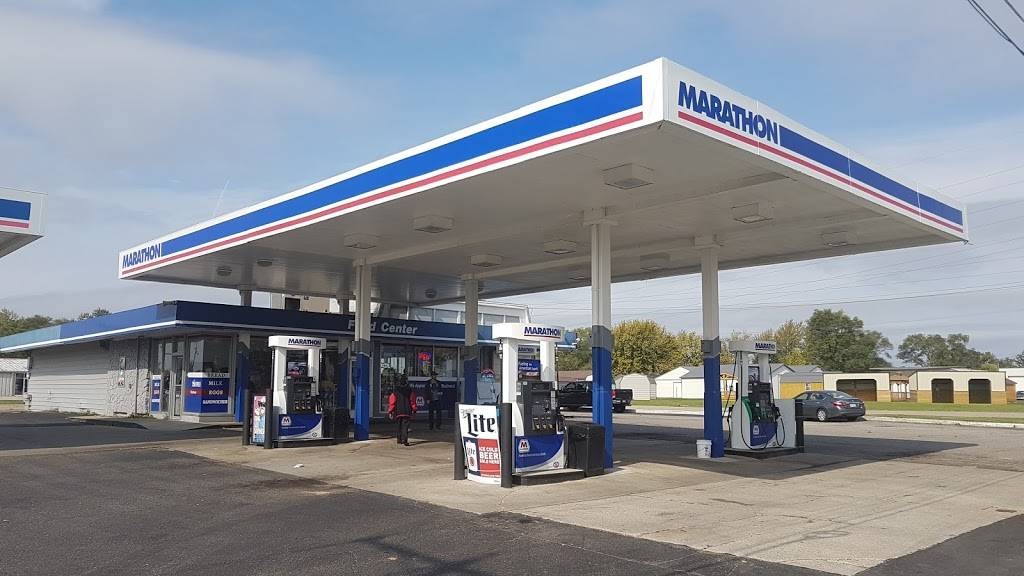
U.S. oil product exports hit record 8.2 million barrels a day last week
U.S. oil product exports surged to a record 8.2 million barrels per day last week as the Hormuz crisis disrupted global energy flows, Bloomberg reported. [1]
The export spike was led by diesel, which drove the increase and reached an all-time high during the same period. [1] Alongside the refined-product shipments, the United States was also exporting more than 5 million barrels per day of crude oil. [1]
Those record export volumes are tightening domestic supply and pushing American fuel prices higher, even as they help stabilize global markets. [1] Pressure inside the U.S. energy system has been compounded by logistics constraints, with port infrastructure along the Gulf Coast operating near capacity. [1]
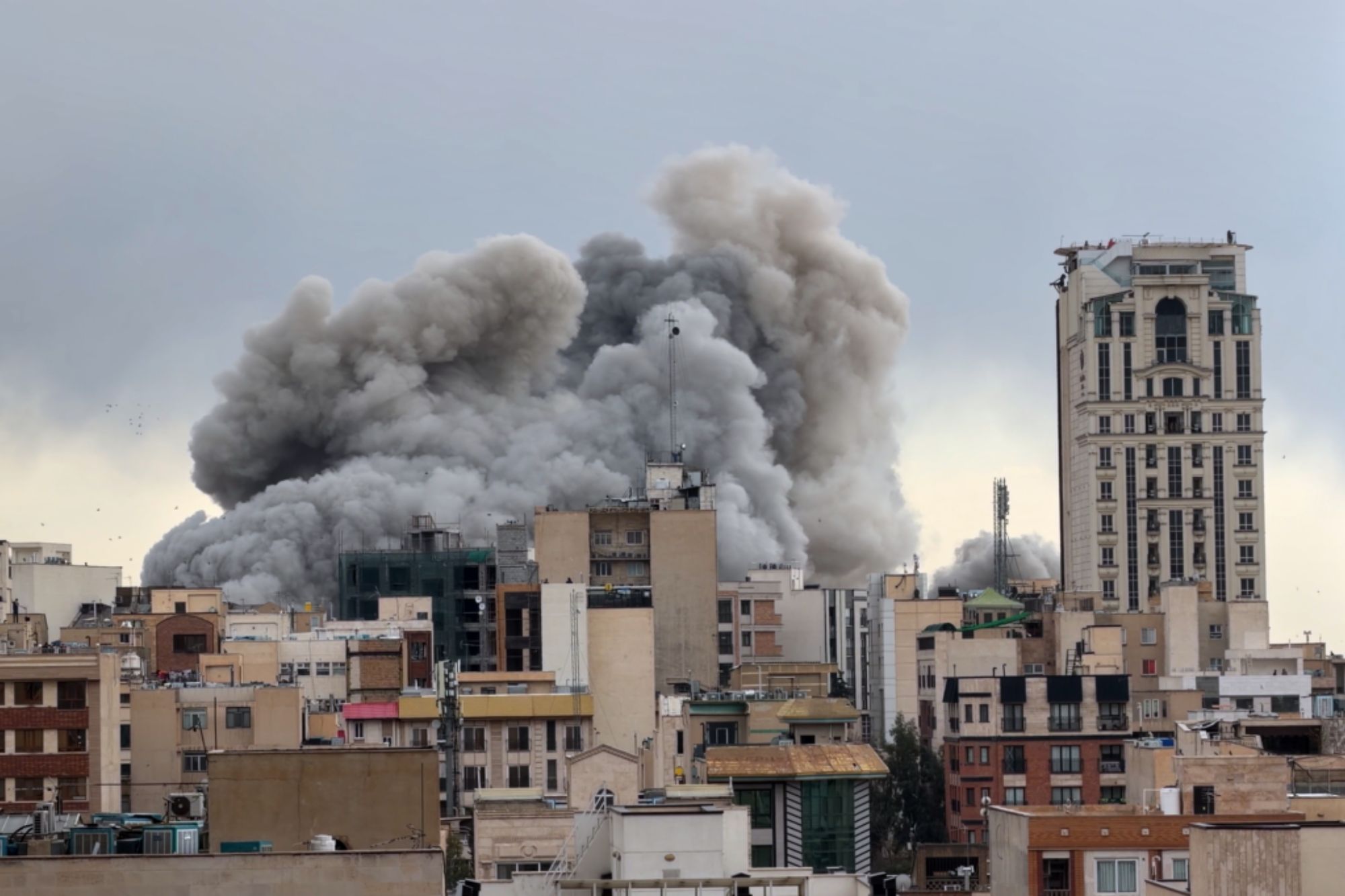
The export surge is unfolding amid a longer-running series of clashes around the Strait of Hormuz. Iran closed the key shipping route on Feb. 18 after an ayatollah threatened to sink U.S. warships. [1] More recently, Brent crude briefly topped $82 on March 5 after Strait of Hormuz attacks, and Dow futures slid 559 points. [1]
Timeline· Live
Following months of escalating tensions marked by Iran's closure and partial reopening of the Strait of Hormuz amid stalled nuclear talks, mutual blockades, military escalations, and heightened rhetoric—including Iran's attacks on oil tankers and the U.S. advancing a UN resolution to stop Iran mining the Strait—the situation saw cautious de-escalation with a U.S. ceasefire declaration and Pakistan opening land corridors with Iran, culminating in former President Trump shelving the U.S. military plan to reopen the Strait in May 2026 amid ongoing US-Tehran talks; although recent attacks briefly pushed Brent crude above $82 and triggered a Dow futures slide, oil futures have since fallen following Trump's pause, even as Iran's military issued stern warnings to U.S. forces against entering the Strait, while China's Wang Yi recently met with Iran's Abbas Araghchi urging the reopening of the Strait of Hormuz and both leaders expressed support for a new regional security framework in the Gulf, underscoring persistent complex geopolitical challenges to regional security, maritime navigation, and global energy supplies involving over 20 nations and coalition naval deployments.
Iran conducts major drills and fires live missiles
Iran launched war drills in the Strait of Hormuz and fired live missiles, warning U.S. forces and at times closing the waterway; the actions heightened military tension ahead of planned talks. This showed Tehran using military maneuvers to press its bargaining position before negotiations.
Iran rejects U.S. ceasefire, submits its own proposal
Iran formally rejected a U.S. ceasefire plan and presented its own proposal to try to end hostilities, signaling Tehran's preference for a negotiated settlement under its terms. The move kept diplomatic channels open while fighting and naval confrontations continued.
Iran seizes ships and deploys more mines in Strait
Iran intensified maritime pressure by seizing cargo ships and deploying additional mines in the Strait of Hormuz, further restricting passage for commercial shipping. The actions reinforced Tehran's chokehold on the route and raised the risk of broader confrontation.
Oil prices spike as blockade reports roil markets
Reports of an 'extended' Iran blockade and constrained flows through Hormuz pushed oil prices sharply higher and prompted buyers to seek alternate supplies. The market shock underscored the economic stakes of the maritime standoff and accelerated re-routing and stockpiling decisions.
- Iran delivers latest proposal to end hostilities
Iran handed over a new proposal aimed at ending the war with the United States, offering terms that Tehran presented as a basis for negotiations. The submission opened a window for diplomatic engagement even as maritime incidents persisted.
U.S. pauses escort operation amid talks with Tehran
The U.S. announced a pause of its planned operation to escort commercial ships through the Strait (Project Freedom), saying progress in talks with Iran warranted a temporary halt to the military initiative. The decision marked a tactical shift intended to give diplomacy space while maintaining support for affected shipping.
International navies deploy and interdictions continue
France sent its aircraft carrier toward the Strait and U.S. forces interdicted an Iran-flagged tanker breaching the blockade, reflecting a mixed posture of naval deterrence and enforcement alongside ongoing diplomacy. The deployments signaled allied readiness to protect shipping even as talks progressed.
Related Coverage (1)
Published May 6, 2026
Synthesized from 1 source