



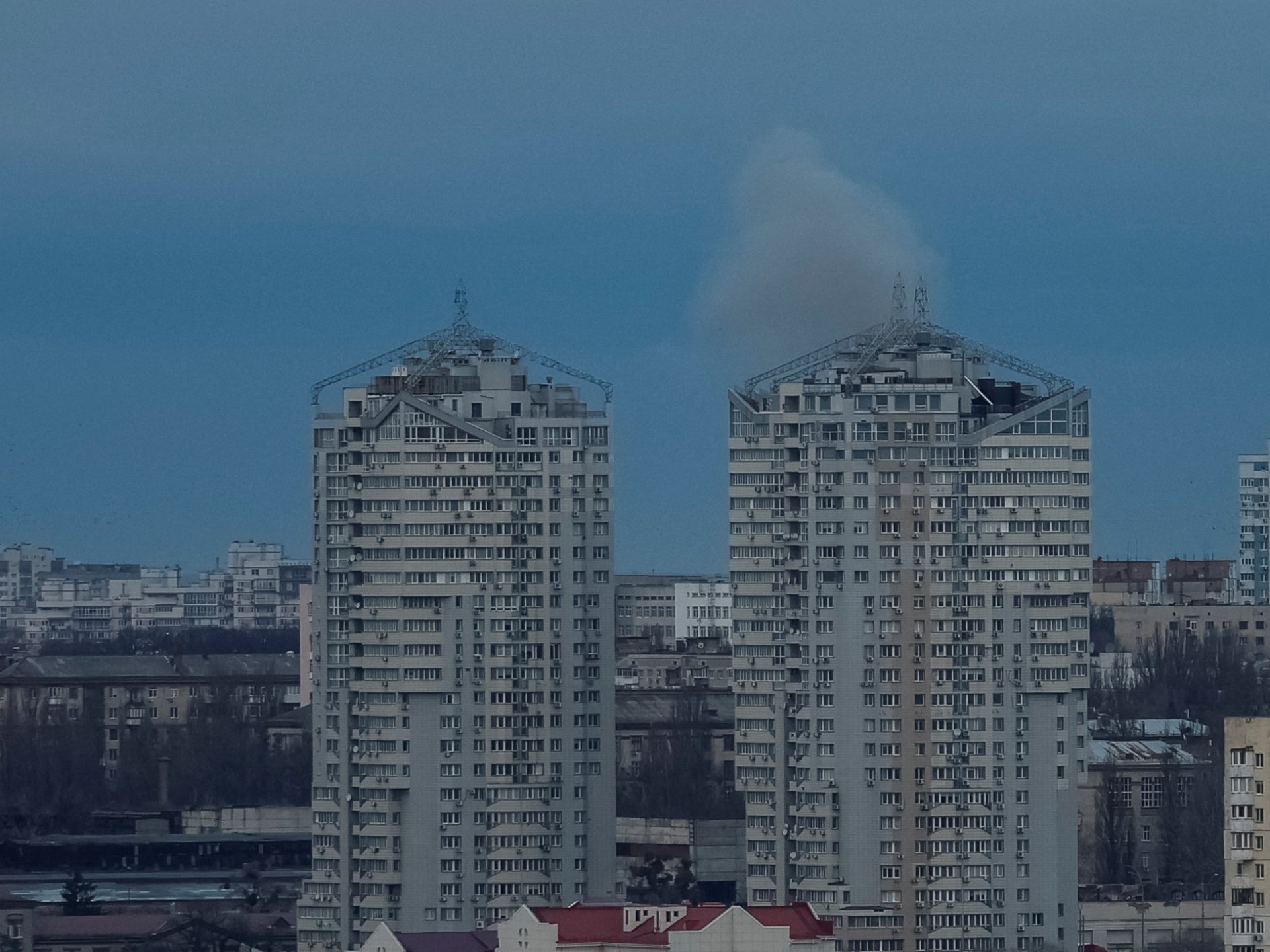
Russia’s Foreign Ministry warns diplomats to evacuate Kyiv ahead of “inevitable” retaliatory strike
Foreign diplomats in Kyiv were urged to consider leaving the Ukrainian capital after Russia’s Foreign Ministry issued what it cast as a safety warning tied to an “inevitable” strike.
In a message dated May 6, Moscow’s foreign ministry called on foreign governments to treat the notice “with the utmost responsibility” and to ensure the “timely evacuation” of diplomatic and other mission staff from Kyiv, citing the “inevitability of a retaliatory strike on Kyiv by Russia’s Armed Forces,” according to Al Jazeera’s account of the statement by spokesperson Maria Zakharova. The warning was framed as precautionary guidance ahead of what Russia described as possible mass strikes on the city. [1]
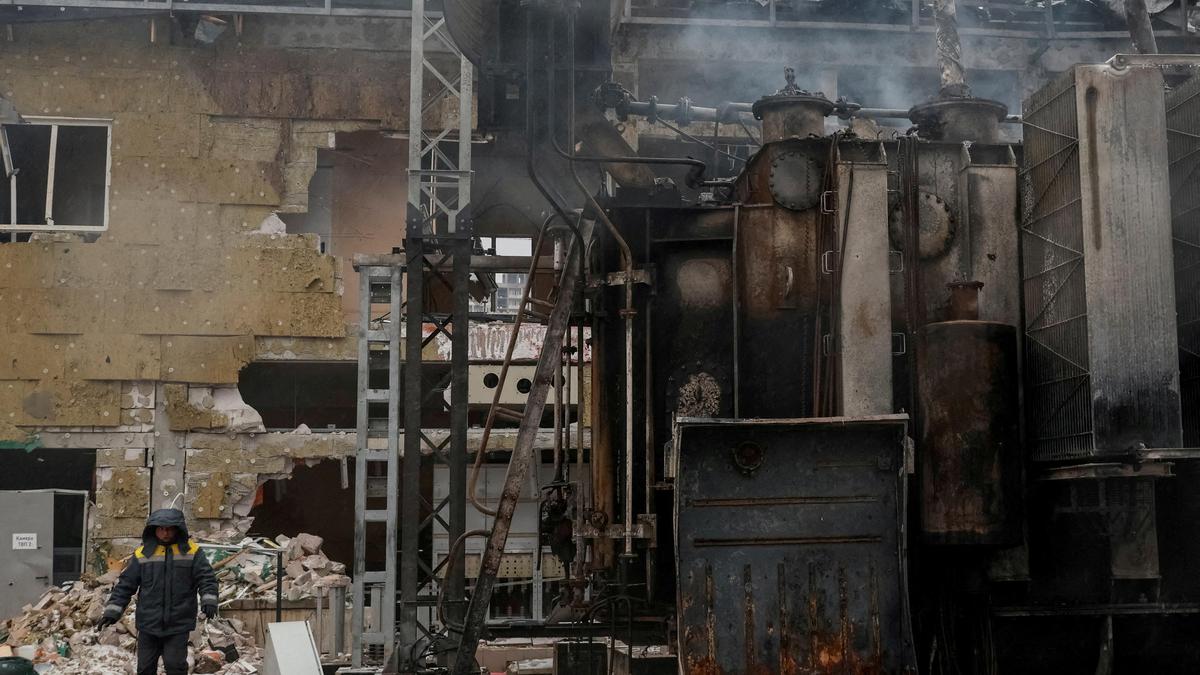
From Kyiv, Ukrainian officials rejected the premise that Russia was acting defensively, and President Volodymyr Zelenskyy said Moscow had ignored an earlier Ukrainian ceasefire proposal he described as a test of whether the Kremlin was serious about offering a brief respite in the now four-year war, The Hindu reported. [3]
The latest exchange lands in a conflict that has repeatedly mixed battlefield escalation with diplomatic signaling since tensions surged in late 2021, including U.S. warnings to President Vladimir Putin on December 8, 2021 about the consequences of an invasion and Zelenskyy’s decision to remain in Kyiv as Russian forces breached the capital on February 25, 2022. [1]
Timeline· Live
As Russia's full-scale invasion of Ukraine enters its sixth year, the conflict intensifies with relentless Russian drone and missile attacks causing widespread casualties and infrastructure damage across Ukraine, including recent massive strikes on Kyiv and strategic targets, while diplomatic tensions escalate globally marked by EU and UK sanctions, Russia's nuclear missile tests, and President Putin's scaled-back Victory Day parade; Ukraine continues to mount targeted counterstrikes using advanced drones and robots, peace efforts involve high-profile international figures such as former US President Trump meeting with China's Xi Jinping amid ongoing bipartisan US aid support, Moscow enforces strict social media bans to control conflict narratives, and regional political instability persists, highlighted by the recent resignation of Latvia’s Prime Minister Evika Silina amid a controversy over drone incursions, all underscoring the enduring human toll and geopolitical complexity of the war.
U.S.-mediated peace talks collapse after two hours
A U.S.-mediated round of Ukraine‑Russia peace talks lasted about two hours and then ended without progress, underscoring the diplomatic impasse and keeping fighting on the table.
Putin puts nuclear forces on high alert amid strikes
Russian President Vladimir Putin ordered Russian nuclear forces to heightened alert as Moscow intensified strikes, including ballistic missile attacks that Ukrainian officials said hit Kyiv and caused dozens of casualties.
Hungary vetoes large EU aid package for Ukraine
Hungary blocked a major European aid package — dealing what Kyiv described as a blow to its financing prospects — escalating tensions within the EU over support for Ukraine.
United States sanctions Russian president
The U.S. imposed sanctions targeting Russian President Vladimir Putin, marking a significant escalation in Western punitive measures against Moscow's leadership related to the war.
EU approves large loan package after Hungary lifts veto
The EU moved forward with about €90 billion (reported as $106 billion) in support for Ukraine after Hungary lifted its veto, resolving a key internal dispute and securing major financing for Kyiv.
Ukrainian strikes hit Russian oil facilities and port
Ukrainian attacks struck multiple Russian energy sites and a port, igniting fires and prompting evacuations and port firefighting operations, illustrating Kyiv's long‑range strike capability and raising energy security concerns.
Rival ceasefires and Victory Day tensions escalate
Around the WWII/Victory Day period Moscow offered short ceasefires while Kyiv declared rival ceasefires, Russia scaled back its Victory Day parade and issued warnings of reprisals, and Moscow told diplomats to leave Kyiv amid fears of mass strikes — reflecting heightened mistrust and a fragile lull in fighting.
Related Coverage (5)
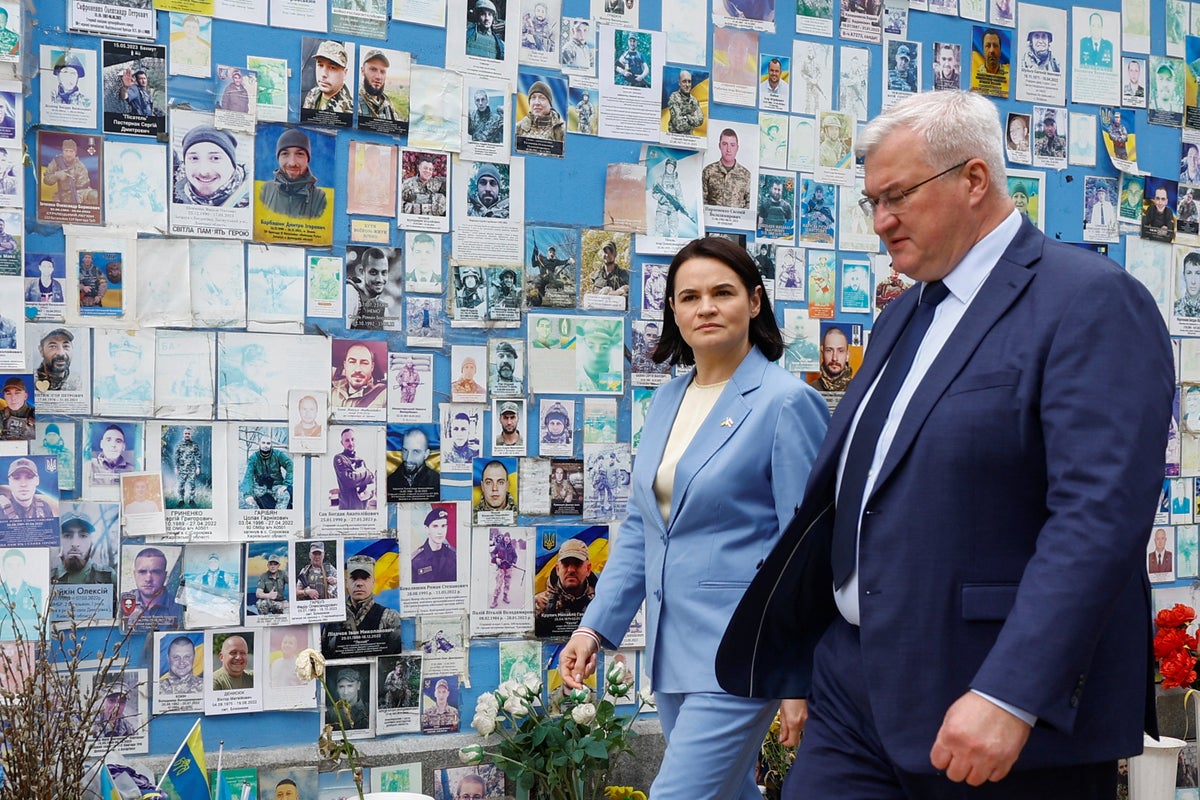
Exiled Belarus opposition leader visits Ukraine as Kyiv warns of escalation
Tsikhanouskaya’s trip came at a tense moment for Ukraine, with The Independent reporting that it was her first visit to Kyiv following ...
Kyiv march urges Zelenskyy veto of feared ‘missing-soldiers’ bill as strikes and ceasefire claims collide
Hundreds of Ukrainians marched in Kyiv on May 22 demanding the government veto a bill that families fear could let the state declare missing soldiers dead.
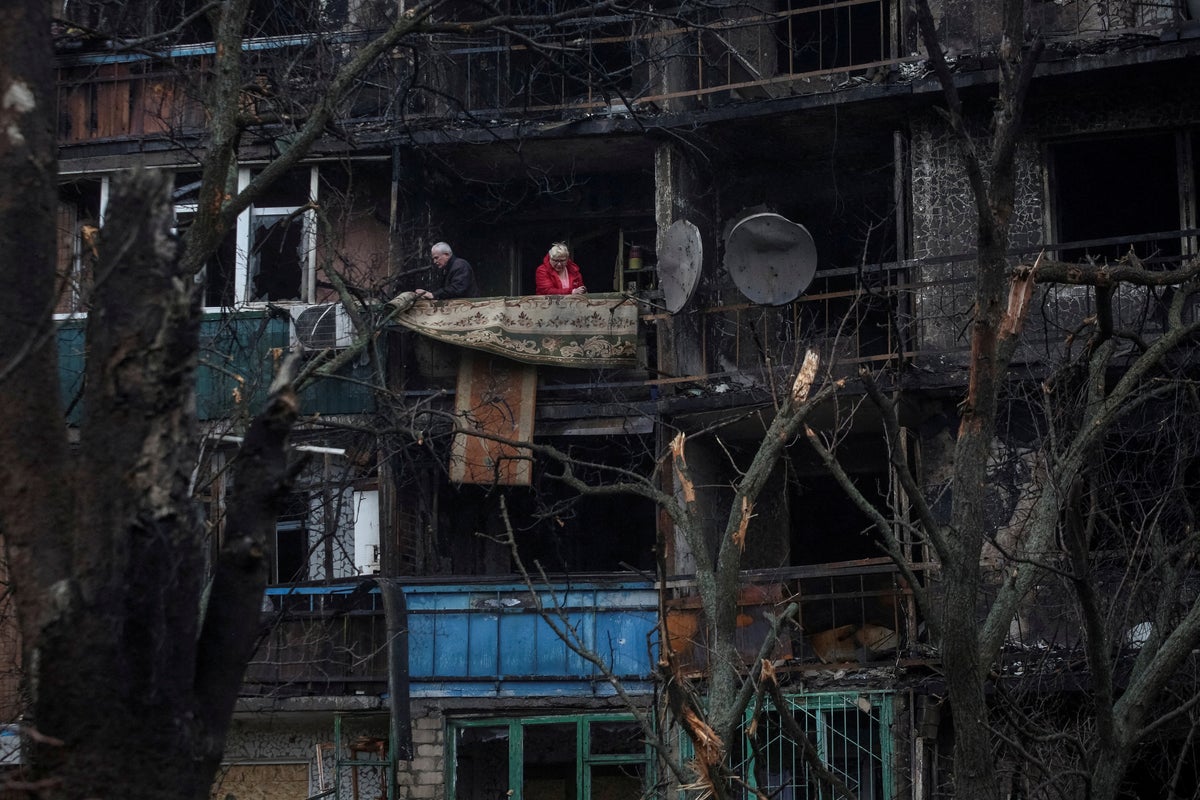
British man Ayrton Redfearn, 23, killed in action in Ukraine’s Donetsk region
The UK Foreign, Commonwealth and Development Office said it is supporting the family of Ayrton Redfearn, a 23-year-old British national who died in Ukraine, and that it remains in contact with Ukrainian authorities.

GPS outage lasts three hours on RAF flight carrying Defence Secretary John Healey
Smartphones and laptops aboard the aircraft could not connect to the internet during the incident, and pilots switched to an alternative navigation method because the jet’s GPS stayed disabled.
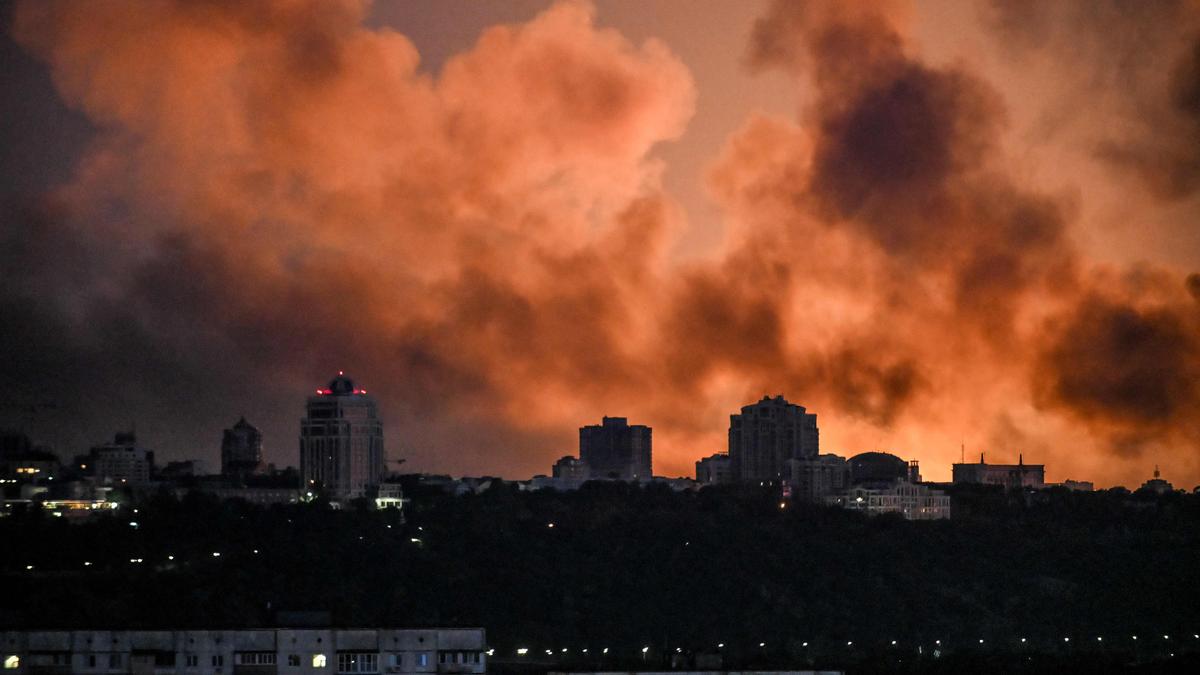
Kyiv hit in mass ballistic missile and drone strike, at least 10 injured
Fires and damage hit residential buildings across at least nine Kyiv districts after a predawn assault, according to Kyiv military administration head Tymur Tkachenko.
Sources (3)
Published May 6, 2026
Synthesized from 3 sources