



Exiled Belarus opposition leader visits Ukraine as Kyiv warns of escalation
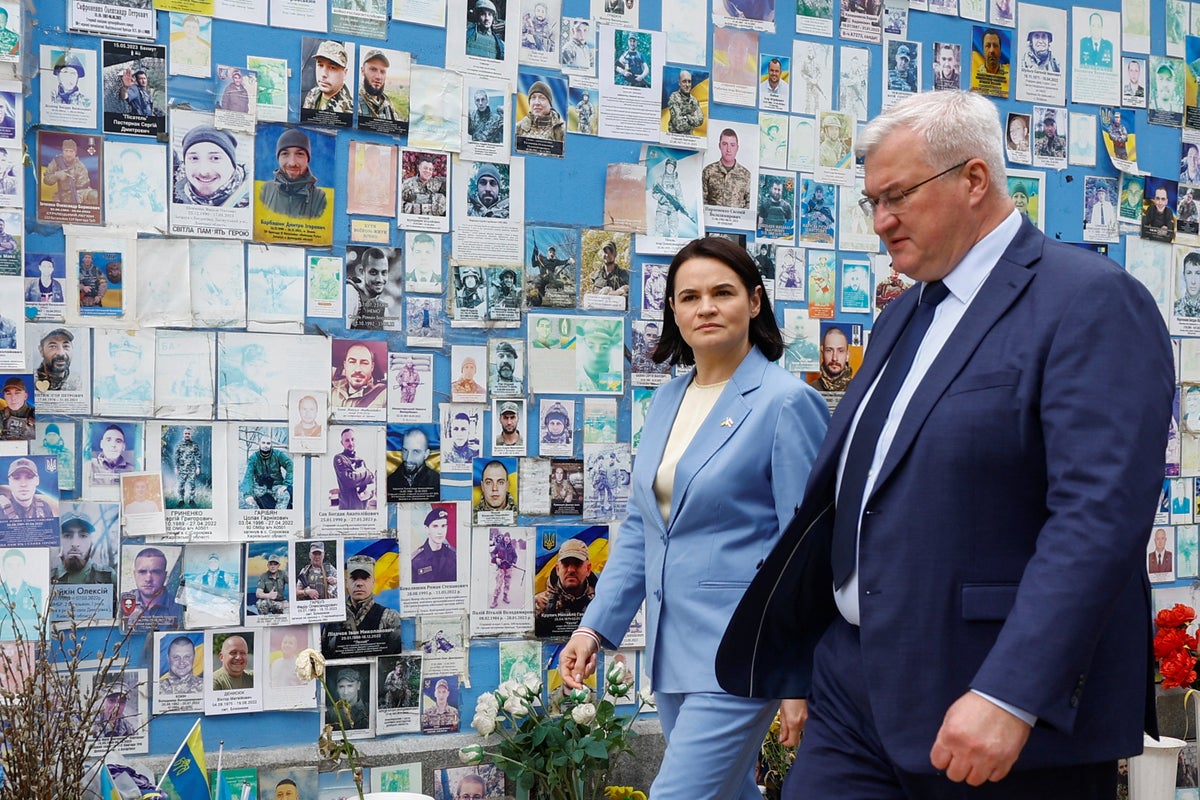
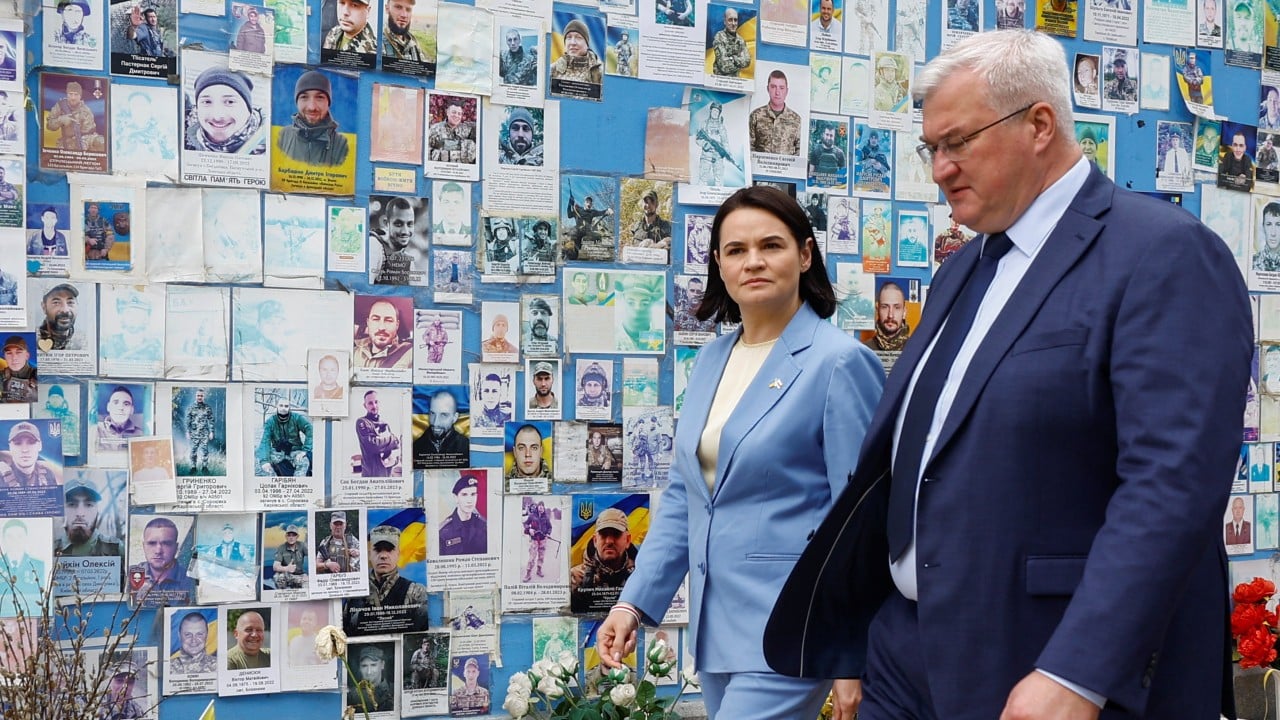
Exiled Belarusian opposition leader and political activist Sviatlana Tsikhanouskaya traveled to Kyiv on Sunday for what was described as her first working visit to the Ukrainian capital, meeting Ukraine Minister of Foreign Affairs Andrii Sybiha as Ukrainian officials warn that Belarus could be drawn more deeply into Russia’s war against Ukraine. [1]
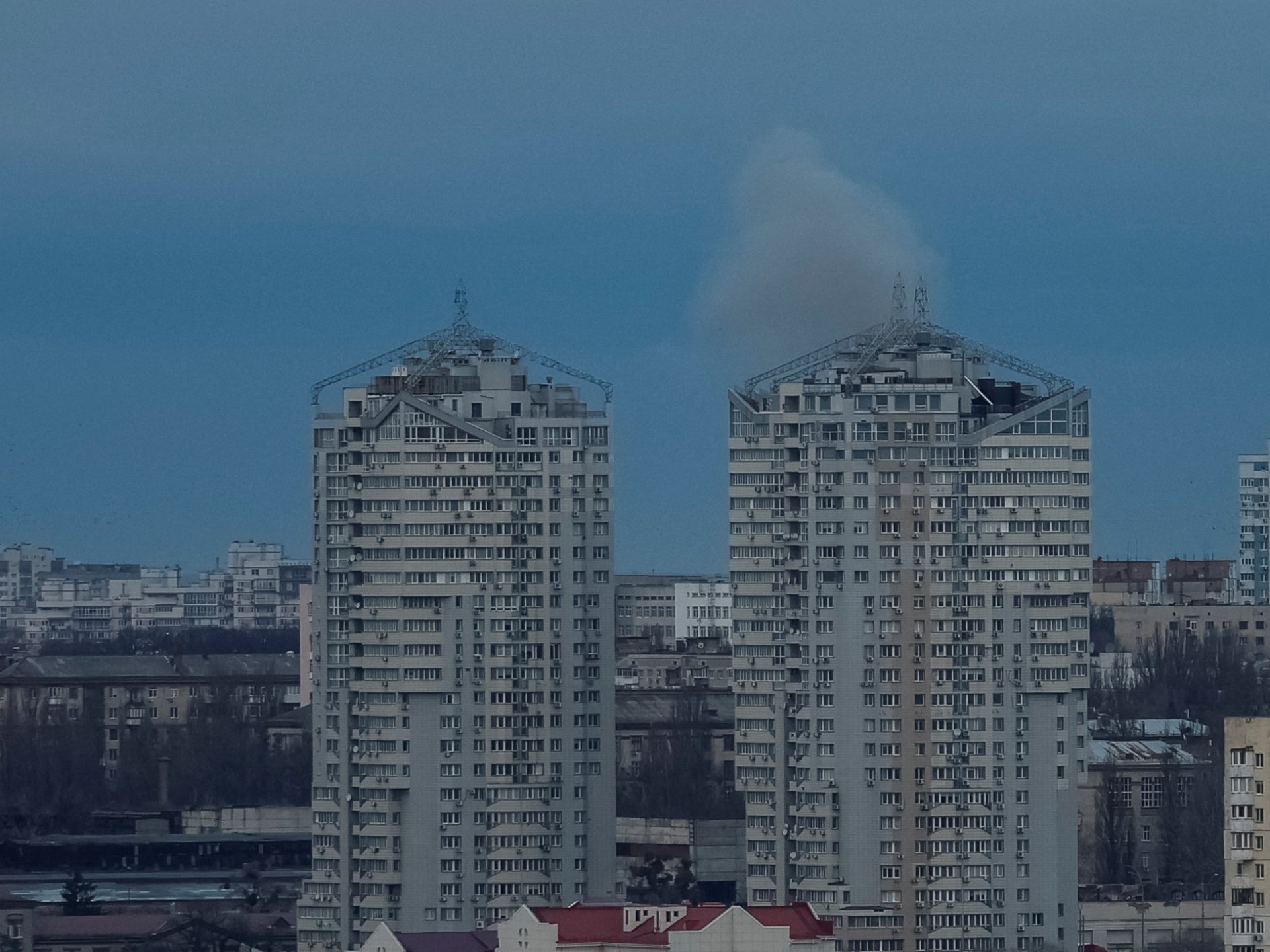
Tsikhanouskaya’s trip came at a tense moment for Ukraine, with The Independent reporting that it was her first visit to Kyiv following Russia’s most extensive missile attack on Ukraine so far this year. [2] The timing also followed a recent warning from Ukraine President Volodymyr Zelenskyy that Belarus might become more involved in the war and that Ukraine would strengthen its northern defenses accordingly. [1]
Speaking about the posture of Belarus President Alexander Lukashenko, Tsikhanouskaya said she saw signs of a shift toward preparing the country for conflict. [1] “Lukashenko’s rhetoric is shifting: we are preparing for war, of course, we want peace, but we are gearing up for war. And that, of course, is very alarming for people,” she said. [1]
Tsikhanouskaya also framed Belarus’s political future as a security issue for the region, arguing that the country’s internal governance is tied to broader stability on Ukraine’s northern flank. [1] “Only a democratic Belarus could become a source of stability and security in the region,” she said. [1]
The visit and the accompanying warnings underscore Kyiv’s concern that the northern border with Belarus—already a strategic pressure point since Russia’s full-scale invasion—could become more volatile if Minsk increases its involvement alongside Moscow. [1] Tsikhanouskaya’s meeting with Sybiha in Kyiv on May 25 placed the Belarusian opposition leader in direct contact with Ukraine’s top diplomat as Ukraine weighs how to reinforce defenses in the north after Zelenskyy’s recent caution about escalation. [1]
Timeline· Live
As Russia's full-scale invasion of Ukraine enters its sixth year, the conflict remains volatile with ongoing Russian advances in Donetsk, sustained missile and drone strikes causing widespread damage including attacks on Kyiv’s Chornobyl Museum, intensified regional military posturing involving Russia, China, Belarus, and NATO, fluctuating international military aid highlighted by shifts from leaders like Donald Trump and President Biden's new sanctions and troop movements, internal Russian turmoil such as the Wagner Group rebellion, expanded Ukrainian strike capabilities, heightened cyber warfare evidenced by arrests in the Netherlands, increased regional security measures in Norway and Romania, NATO scrambling jets against Russian drones breaching alliance airspace, and now the UK targeting Putin’s cryptocurrency networks in its latest sanctions, collectively underscoring the deepening geopolitical, military, and cyber dimensions of the conflict.
U.S.-mediated peace talks collapse after two hours
A U.S.-mediated round of Ukraine‑Russia peace talks lasted about two hours and then ended without progress, underscoring the diplomatic impasse and keeping fighting on the table.
Putin puts nuclear forces on high alert amid strikes
Russian President Vladimir Putin ordered Russian nuclear forces to heightened alert as Moscow intensified strikes, including ballistic missile attacks that Ukrainian officials said hit Kyiv and caused dozens of casualties.
Hungary vetoes large EU aid package for Ukraine
Hungary blocked a major European aid package — dealing what Kyiv described as a blow to its financing prospects — escalating tensions within the EU over support for Ukraine.
United States sanctions Russian president
The U.S. imposed sanctions targeting Russian President Vladimir Putin, marking a significant escalation in Western punitive measures against Moscow's leadership related to the war.
EU approves large loan package after Hungary lifts veto
The EU moved forward with about €90 billion (reported as $106 billion) in support for Ukraine after Hungary lifted its veto, resolving a key internal dispute and securing major financing for Kyiv.
Ukrainian strikes hit Russian oil facilities and port
Ukrainian attacks struck multiple Russian energy sites and a port, igniting fires and prompting evacuations and port firefighting operations, illustrating Kyiv's long‑range strike capability and raising energy security concerns.
Rival ceasefires and Victory Day tensions escalate
Around the WWII/Victory Day period Moscow offered short ceasefires while Kyiv declared rival ceasefires, Russia scaled back its Victory Day parade and issued warnings of reprisals, and Moscow told diplomats to leave Kyiv amid fears of mass strikes — reflecting heightened mistrust and a fragile lull in fighting.
Sources (2)
Published May 25, 2026
Synthesized from 2 sources