



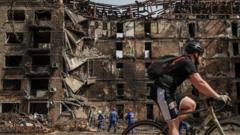
Ukrainian protesters in Kyiv urge veto of a bill families fear could declare missing soldiers dead
The Gist
Ukrainian protesters gathered in Kyiv on May 22 to urge President of Ukraine Volodymyr Oleksandrovych Zelenskyy to veto a bill that families fear could make it easier for the state to declare missing soldiers dead, a move they say could cut off hope and complicate efforts to search for and recover loved ones.
Ukrainian protesters gathered in Kyiv on May 22 to urge President of Ukraine Volodymyr Oleksandrovych Zelenskyy to veto a bill that families fear could make it easier for the state to declare missing soldiers dead, a move they say could cut off hope and complicate efforts to search for and recover loved ones. [3]
The demonstration unfolded as Kyiv and other parts of Ukraine continued to face heavy Russian attacks, underscoring the strain on families already living with uncertainty about relatives listed as missing in the four-year war. [3]
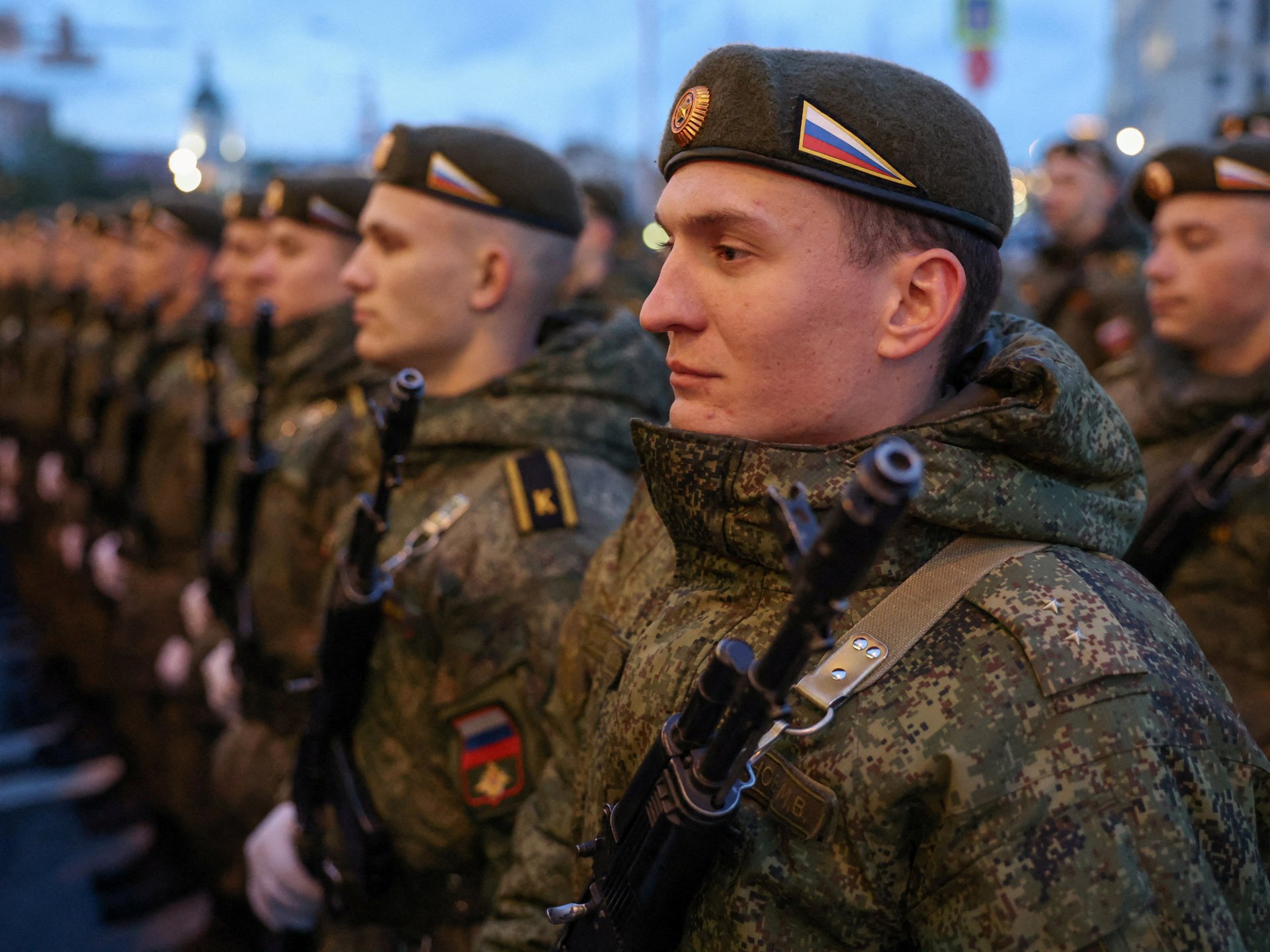
The protest came amid a volatile diplomatic and military backdrop that has included competing ceasefire proposals and claims of progress toward a pause in fighting. [2] U.S. President Donald John Trump, the 47th president of the United States, has said a ceasefire was the result of U.S. diplomacy and that he thanked Russian President Vladimir Vladimirovich Putin and President Zelenskyy for agreeing to a pause. [2] Trump has also said the ceasefire request “was made directly by me,” and that he appreciated its agreement by Putin and Zelenskyy.
Ukrainian officials, however, have publicly questioned Moscow’s intentions, including in response to continued strikes. [4] President Zelenskyy has said Kyiv previously proposed a ceasefire as “a test of whether the Kremlin was serious about providing a brief respite in the four-year war,” and that Russia ignored that proposal. [4]
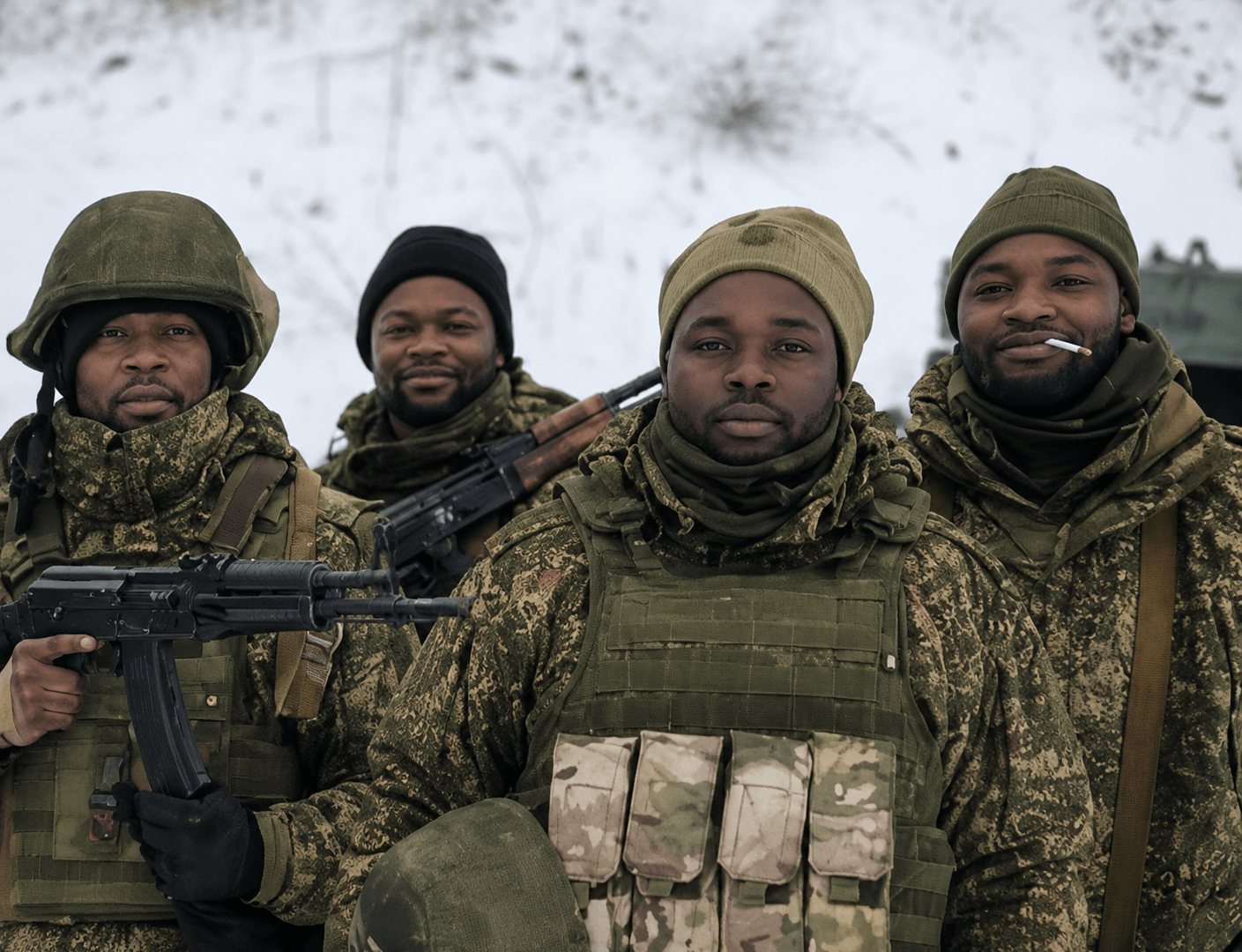
The pressure on Zelenskyy over the missing-soldiers bill comes as Ukrainians in the capital have faced deadly attacks. [3] Zelenskyy said “large-scale Russian strikes on Saturday night killed four and injured about 100 people in Kyiv and other areas,” a toll that added urgency to calls for stronger protections for service members and their families. [3]
Ukraine’s Minister of Foreign Affairs Andrii Ivanovych Sybiha has argued that Moscow’s actions show it is not ready to stop fighting even as Washington pushes for peace. [1] Referring to an attack that occurred during Trump’s visit to China, Sybiha wrote on X: “There should be no illusions or wishful thinking: only pressure on Moscow can force him to stop,” using “him” to refer to Putin. [1]
Warnings about escalation have also come from Washington. United States secretary of state Marco Antonio Rubio said on May 25 that “Kyiv’s been a very dangerous place now for a number of years,” and cautioned that prolonged wars carry “the threat of escalation, of spreading into something new.”
The broader war has increasingly featured long-range drone and missile threats, with both sides issuing claims and counterclaims. Russian air defenses reportedly destroyed 347 Ukrainian drones overnight across 20 regions, including Moscow, ahead of May 9 celebrations, according to reporting cited by The Independent. The Kremlin has separately said its forces downed 264 Ukrainian drones early on a Friday, with Moscow officials reporting attempted attacks on the capital and in the Perm region in the Ural Mountains.
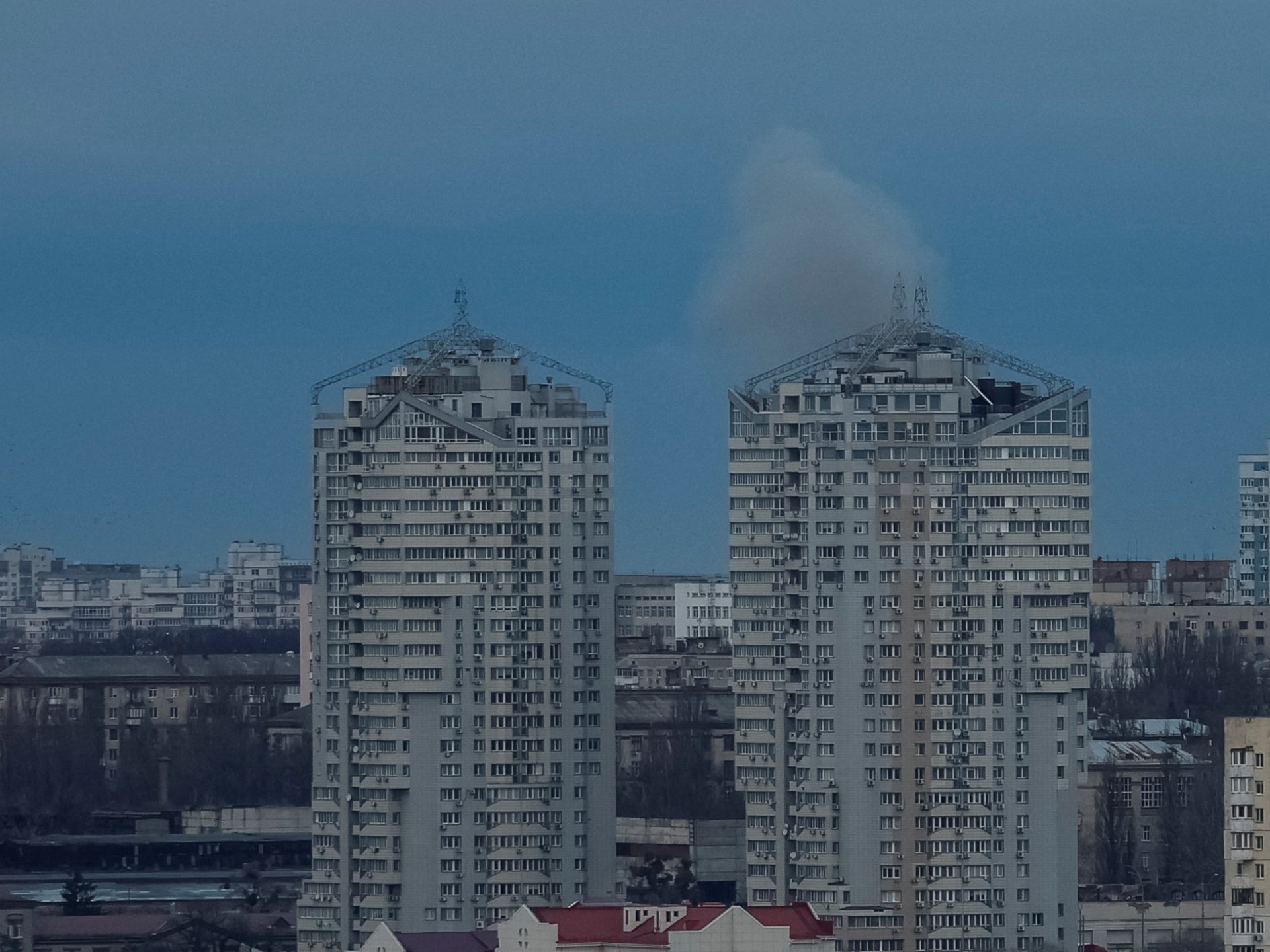
In the Baltic region, Latvian Defence Minister Andris Sprūds suggested some drones “might have been Ukrainian units that lost their way due to signal jamming,” highlighting the technical and electronic-warfare risks that can complicate attribution in drone incidents. [5] Russia’s Foreign Ministry, meanwhile, has claimed that Ukraine uses drones “with the assistance of NATO specialists responsible for supplying components, providing intelligence and targeting,” an allegation Ukraine and its partners have repeatedly rejected in other contexts.
As tensions rose around Russian warnings and threats, EU officials in Kyiv sought to project steadiness. Katarina Mathernova, head of the EU mission in Kyiv, dismissed a Russian warning as an attempt to sow panic and said: “the EU is not going anywhere. We are staying in Kyiv. We are staying with Ukraine.” Ukraine’s foreign minister has likewise urged partners not to be swayed by Moscow’s messaging, saying: “We are now telling our partners that they should not give in to all this Russian blackmail,” according to The Hindu. [4]
The May 22 protest over the missing-soldiers bill placed a domestic, human-cost issue at the center of a national debate that is often dominated by battlefield maps and diplomacy. [3] Families’ fears that the legislation could allow missing soldiers to be declared dead more readily have become a flashpoint as Ukraine continues to absorb casualties and disruption from Russian strikes. [3]
The bill’s fate now hinges on whether Zelenskyy uses his veto power, as protesters demanded in Kyiv on May 22, while the war’s pressure continues to mount on the capital. [3] Rubio’s warning that Kyiv remains “a very dangerous place” hung over the debate as officials and families awaited the president’s next move.
How it's being framed
Common Ground
Where perspectives align
Ukrainian Foreign Minister Andrii Sybiha said the attack during U.S. President Donald Trump's visit to China showed Russia wants to continue fighting despite a peace push by Washington.
Donald Trump said the ceasefire was the result of U.S. diplomacy and thanked Vladimir Putin and Volodymyr Zelenskyy for agreeing to the pause in fighting.
Large-scale Russian strikes on Saturday night killed four and injured about 100 people in Kyiv and other areas.
Kyiv said Moscow ignored Ukraine's earlier ceasefire proposal, which Volodymyr Zelenskyy described as a test of Kremlin's sincerity.
Latvian Defence Minister Andris Sprūds said the drones might have been Ukrainian units that lost their way due to signal jamming.
Ukraine described Russia's threats as rhetoric on May 25, 2026.
Katarina Mathernova, head of the EU mission in Kyiv, dismissed Russia's warning as an attempt to sow panic and affirmed that the EU is staying in Kyiv with Ukraine.
Russian air defences reportedly destroyed 347 Ukrainian drones overnight across 20 regions, including Moscow, ahead of the May 9 celebrations.
“a test of whether the Kremlin was serious about providing a brief respite in the four-year war”
— The Guardian
Russian Foreign Ministry claimed that Kyiv regime uses drones with NATO specialists' assistance for components, intelligence, and targeting.
Donald Trump stated that the ceasefire request was made directly by him and was agreed upon by Vladimir Putin and Volodymyr Zelenskyy.
Marco Rubio stated on May 25, 2026, that Kyiv has been a very dangerous place for years and warned about the threat of escalation.
““These [unmanned aerial vehicles] are used by the Kyiv regime with the assistance of NATO specialists responsible for supplying components, providing intelligence and targeting,” the Russian Foreign Ministry said in a statement.”
— The Washington Times
Timeline· Live
As Russia's full-scale invasion of Ukraine enters its sixth year, the conflict remains volatile with ongoing Russian advances in Donetsk, sustained missile and drone strikes causing widespread damage including attacks on Kyiv’s Chornobyl Museum, intensified regional military posturing involving Russia, China, Belarus, and NATO, fluctuating international military aid highlighted by shifts from leaders like Donald Trump and President Biden's new sanctions and troop movements, internal Russian turmoil such as the Wagner Group rebellion, expanded Ukrainian strike capabilities, heightened cyber warfare evidenced by arrests in the Netherlands, increased regional security measures in Norway and Romania, NATO scrambling jets against Russian drones breaching alliance airspace, the UK targeting Putin’s cryptocurrency networks in its latest sanctions, and NATO's recent testing of unmanned ground vehicles in Latvia during Crystal Arrow 2026, collectively underscoring the deepening geopolitical, military, and cyber dimensions of the conflict.
U.S.-mediated peace talks collapse after two hours
A U.S.-mediated round of Ukraine‑Russia peace talks lasted about two hours and then ended without progress, underscoring the diplomatic impasse and keeping fighting on the table.
Putin puts nuclear forces on high alert amid strikes
Russian President Vladimir Putin ordered Russian nuclear forces to heightened alert as Moscow intensified strikes, including ballistic missile attacks that Ukrainian officials said hit Kyiv and caused dozens of casualties.
Hungary vetoes large EU aid package for Ukraine
Hungary blocked a major European aid package — dealing what Kyiv described as a blow to its financing prospects — escalating tensions within the EU over support for Ukraine.
United States sanctions Russian president
The U.S. imposed sanctions targeting Russian President Vladimir Putin, marking a significant escalation in Western punitive measures against Moscow's leadership related to the war.
EU approves large loan package after Hungary lifts veto
The EU moved forward with about €90 billion (reported as $106 billion) in support for Ukraine after Hungary lifted its veto, resolving a key internal dispute and securing major financing for Kyiv.
Ukrainian strikes hit Russian oil facilities and port
Ukrainian attacks struck multiple Russian energy sites and a port, igniting fires and prompting evacuations and port firefighting operations, illustrating Kyiv's long‑range strike capability and raising energy security concerns.
Rival ceasefires and Victory Day tensions escalate
Around the WWII/Victory Day period Moscow offered short ceasefires while Kyiv declared rival ceasefires, Russia scaled back its Victory Day parade and issued warnings of reprisals, and Moscow told diplomats to leave Kyiv amid fears of mass strikes — reflecting heightened mistrust and a fragile lull in fighting.
Sources (5)
Russia threatens more Kyiv strikes and tells foreign nationals to leave
bbc.com
Russia threatens more strikes on Kyiv, urges foreigners to leave city
thehindu.com
Russia tells foreign nationals to flee Kyiv as it threatens ‘systematic strikes’
independent.co.uk
Zimbabweans lured into Russia’s war as families plead for their return
aljazeera.com
Russia warns diplomats from other countries to leave Kyiv ahead of expected attacks
washingtontimes.com
Published May 22, 2026
Cited 5 sources · Reviewed 14 during synthesis