




Proposed Hormuz deal outlines 60-day ceasefire extension and partial sanctions relief
Oil markets and shipping insurers were watching the Strait of Hormuz closely as a draft U.S.-Iran framework circulated that would stretch a fragile ceasefire by 60 days while restoring passage through the strategic chokepoint. The outline, described by a U.S. official, links the extension to reopening the strait, permitting Iran to sell oil freely again, and launching talks aimed at limiting Iran’s nuclear programme during the two-month window. [1]
Under the same framework, some of Iran’s assets held in overseas banks would be unfrozen, offering Tehran a near-term financial off-ramp as negotiations shift into a more formal phase. The proposal is framed as a confidence-building package meant to reduce immediate pressure on global energy flows while diplomats pursue longer-term constraints on Iran’s nuclear activities. [1]
But accounts differ on what, precisely, each side would have to do to get ships moving normally again. One version says Iran would agree to clear mines it has deployed in the strait and would not impose tolls on passing vessels, in exchange for Washington lifting a blockade on Iranian ports that has been in effect since April 13, 2026. [1]
Another description emphasizes U.S. concessions instead, arguing that reopening the strait would be met by a U.S. decision to lift the port blockade and waive some sanctions so Tehran can resume oil sales, without highlighting mine-clearing or toll commitments as the central trade-off. [2]
The push comes after a long cycle of escalation and stop-start diplomacy dating back to June 9, 2025, when Iran was set to send a nuclear counterproposal to the United States via Oman. More recently, the U.S. imposed sanctions on vessels and entities transporting Iranian oil on February 6, 2026, the same day U.S. and Iranian officials held talks in Oman amid fears of a broader war. [1]
For now, the draft remains a framework rather than a signed agreement, but its contours underscore how tightly the ceasefire, nuclear talks, and the world’s most sensitive oil artery have become bound together. [1]
How it's being framed
A U.S. official described a 60-day ceasefire extension tied to reopening the Strait of Hormuz, allowing Iran to sell oil, and holding nuclear-limitation talks.
The deal would reportedly unfreeze some Iranian assets held in overseas banks.
The Guardian emphasizes a bargain that links reopening Hormuz and economic relief with specific operational steps in the waterway and partial asset access.
In return for reopening Hormuz, the U.S. would lift its blockade on Iranian ports and waive some sanctions to allow oil sales again.
The New York Post account highlights sanctions waivers and the lifting of a U.S. blockade as the key quid pro quo for reopening the Strait of Hormuz.
Timeline· Developing
Since the Middle East conflict began on February 28, 2026, marked by escalating tensions including intermittent closures of the Strait of Hormuz by Iran, military strikes, complex sanctions, and high-level U.S.-Iran talks, the recent meetings in Oman have led negotiators to push for more talks following cautious optimism for a potential ceasefire and easing of economic pressures, though no definitive agreement has yet been reached, sustaining ongoing risks to regional stability and global oil markets.
Iran conducts major drills and fires live missiles
Iran launched war drills in the Strait of Hormuz and fired live missiles, warning U.S. forces and at times closing the waterway; the actions heightened military tension ahead of planned talks. This showed Tehran using military maneuvers to press its bargaining position before negotiations.
Iran rejects U.S. ceasefire, submits its own proposal
Iran formally rejected a U.S. ceasefire plan and presented its own proposal to try to end hostilities, signaling Tehran's preference for a negotiated settlement under its terms. The move kept diplomatic channels open while fighting and naval confrontations continued.
Iran seizes ships and deploys more mines in Strait
Iran intensified maritime pressure by seizing cargo ships and deploying additional mines in the Strait of Hormuz, further restricting passage for commercial shipping. The actions reinforced Tehran's chokehold on the route and raised the risk of broader confrontation.
Oil prices spike as blockade reports roil markets
Reports of an 'extended' Iran blockade and constrained flows through Hormuz pushed oil prices sharply higher and prompted buyers to seek alternate supplies. The market shock underscored the economic stakes of the maritime standoff and accelerated re-routing and stockpiling decisions.
- Iran delivers latest proposal to end hostilities
Iran handed over a new proposal aimed at ending the war with the United States, offering terms that Tehran presented as a basis for negotiations. The submission opened a window for diplomatic engagement even as maritime incidents persisted.
U.S. pauses escort operation amid talks with Tehran
The U.S. announced a pause of its planned operation to escort commercial ships through the Strait (Project Freedom), saying progress in talks with Iran warranted a temporary halt to the military initiative. The decision marked a tactical shift intended to give diplomacy space while maintaining support for affected shipping.
International navies deploy and interdictions continue
France sent its aircraft carrier toward the Strait and U.S. forces interdicted an Iran-flagged tanker breaching the blockade, reflecting a mixed posture of naval deterrence and enforcement alongside ongoing diplomacy. The deployments signaled allied readiness to protect shipping even as talks progressed.
Related Coverage (2)
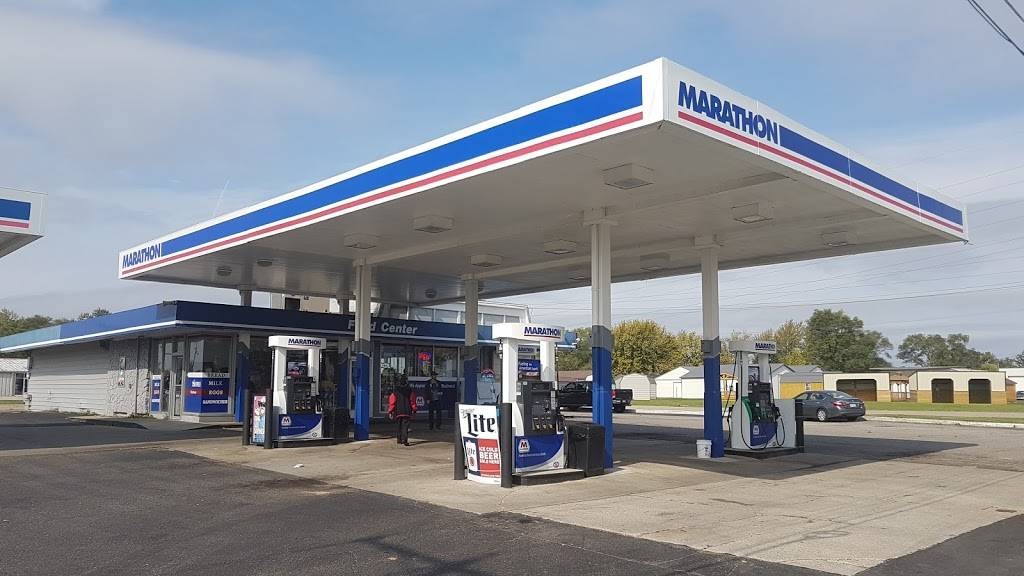
U.S. oil product exports hit record 8.2 million barrels a day last week
The United States also exported more than 5 million barrels per day of crude oil alongside refined products.
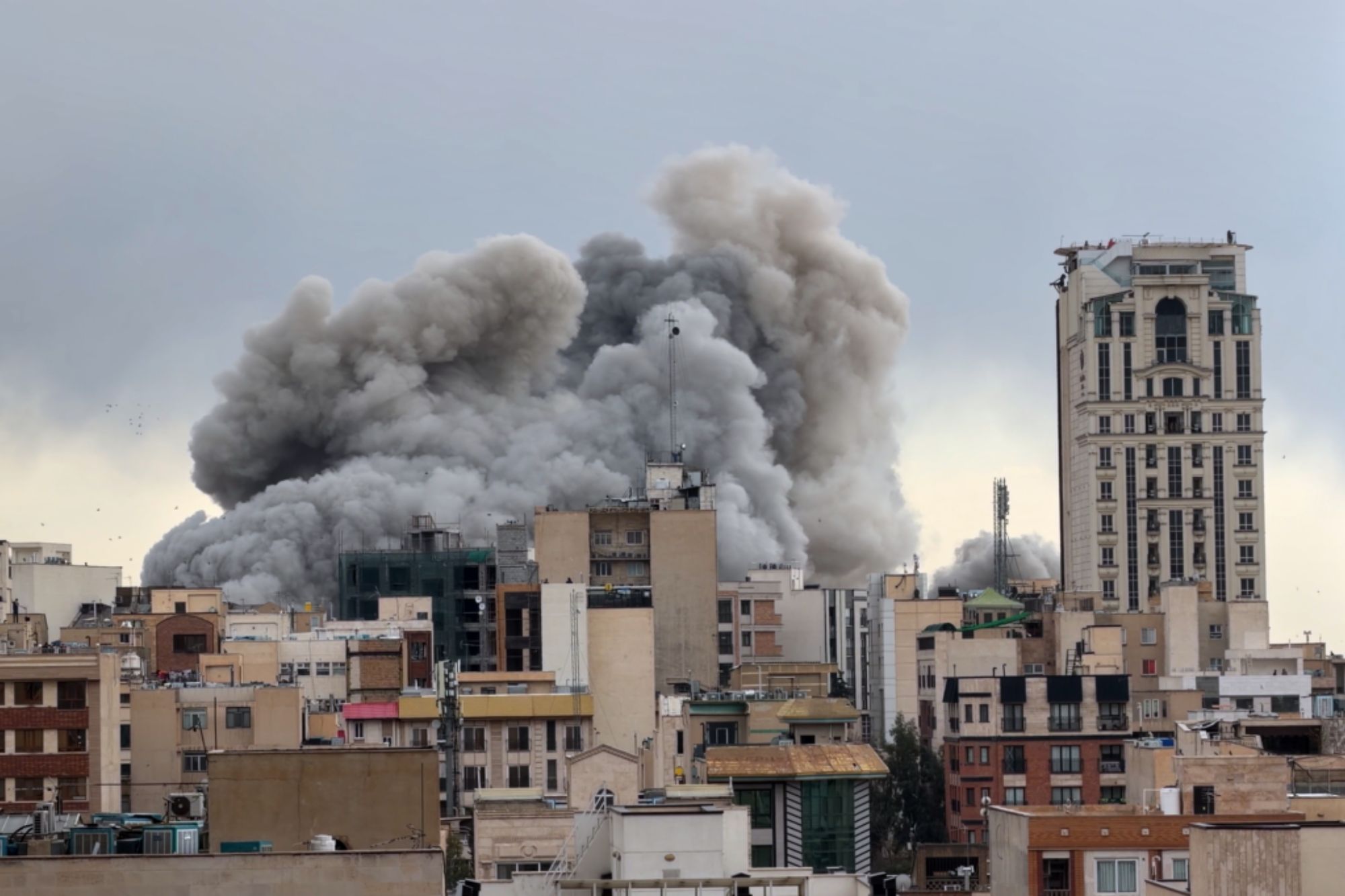
Iran sends new war-ending proposal to Washington via Pakistan
Pakistan received Tehran’s latest text for negotiations late on April 30 and forwarded it to the United States.
Sources (2)
Published May 24, 2026
Synthesized from 3 sources