



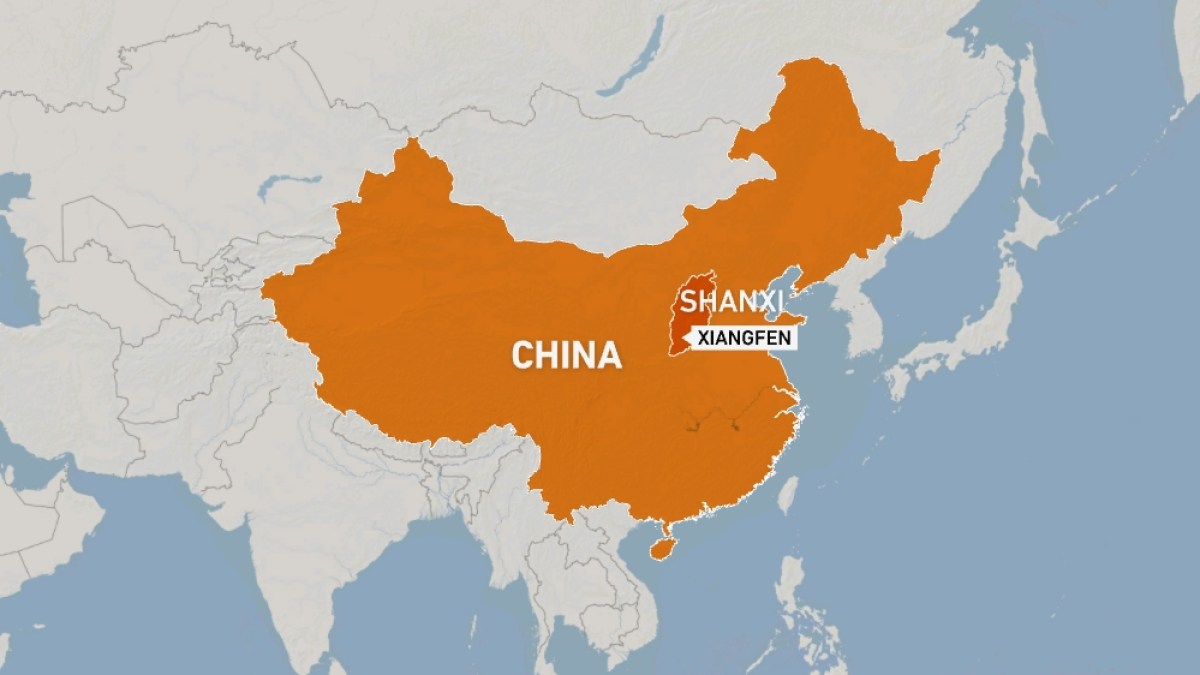
At least 82 killed in Liushenyu coal mine blast as rescue hampered by inaccurate blueprints
The Gist
Rescuers in Shanxi province faced flooded tunnels and a mine layout that did not match the blueprints supplied by the operator, complicating efforts underground.
The tunnels were still flooded when rescue teams began taking turns descending the Liushenyu coal mine shaft, pushing into cramped, debris-strewn passages where a gas blast had ripped through the workings days earlier. As the search concluded in Qinyuan county in northern China’s Shanxi province, officials said at least 82 miners had been killed, a figure revised down from an initial toll of 90 amid what authorities described as chaotic conditions and unreliable information in the immediate aftermath. [6][7]
One of the most damaging obstacles underground was a basic one: rescuers were not always sure where they were going. State broadcaster CCTV said the blueprints supplied by the mine operator did not match the actual layout, leaving teams to navigate a maze whose critical turns and connections were different from what they had been told, slowing the effort to reach trapped workers. Deutsche Welle, citing CCTV, reported that the mismatched plans hampered operations as crews confronted rising water and unstable areas left by the explosion. [2]
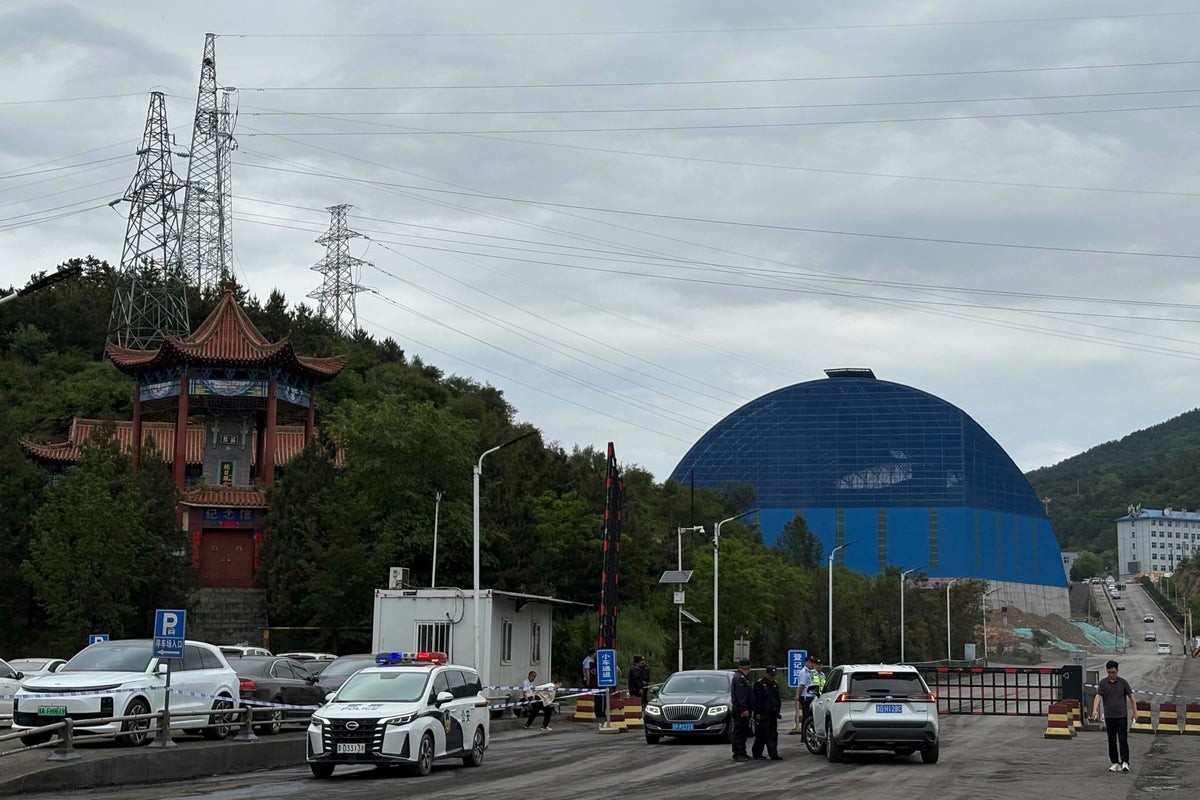
Local officials went further, saying the mine had “seriously” violated the law, and linked the inaccurate drawings to broader concerns now under investigation. The Independent reported that authorities cited those alleged legal breaches alongside the blueprint discrepancy as they laid out what went wrong, signaling that the inquiry is focused not only on the immediate cause of the blast but also on how the mine was managed and supervised. [7]
The tragedy has also landed with unusual force in a county where coal work threads through daily life. The Japan Times described the quiet routines around Qinyuan’s mining economy, including a skewer eatery run by a woman identified as Zhang, where miners sometimes ate—especially on payday—before the explosion left her feeling “lost and sad” as familiar customers disappeared. In that account, the disaster was framed not just as a worksite calamity but as a community shock that hollowed out ordinary evenings. [1]
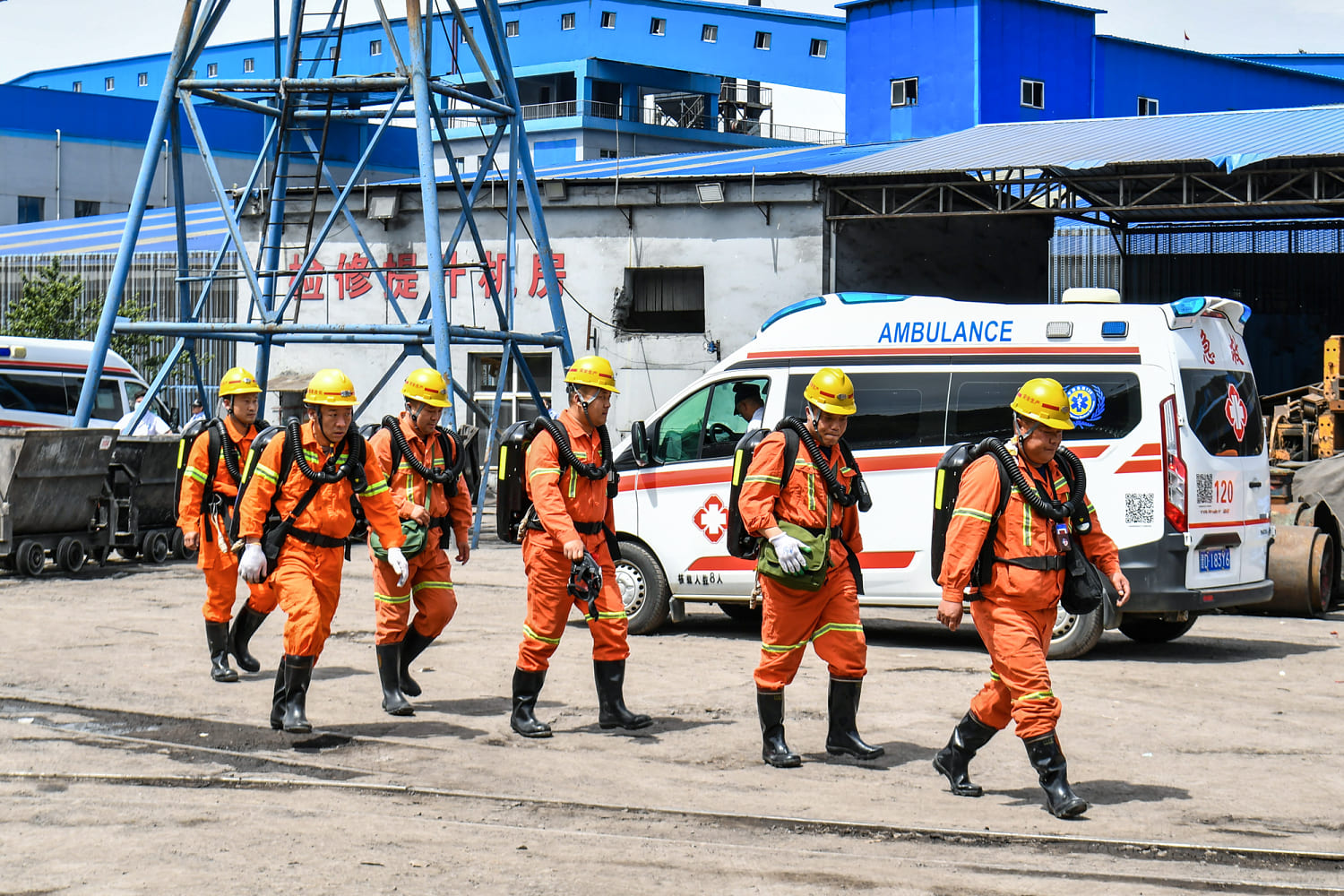
This is the latest development in the emergency that began on May 22, when a gas explosion tore through the Shanxi mine, prompting a national response. President Xi Jinping, China’s top leader, called on May 23 for a redoubled rescue mission and urged that the injured be treated and the search organized “scientifically,” as Xinhua reported, while also pressing officials to manage the aftermath. [5]
As the investigation moved in parallel with the recovery, CGTN said the person responsible for overseeing the Liushenyu mine had been arrested, a step that points to potential accountability beyond operational errors in the rescue itself. NBC News reported that authorities were scrutinizing the operator for possible safety lapses, and that officials blamed inaccurate information from the company for some of the confusion that led them to revise the death toll downward. [4][6]
International coverage has cast the blast as a grim landmark in China’s mining safety record. The BBC called it the country’s worst mining disaster since 2009, while Al Jazeera described it as the deadliest mining disaster reported in China in more than a decade, underscoring how rare an event of this scale has become even as coal remains central to parts of the economy. [3][4]
Sources (7)
Quiet Chinese county hit by deadly coal mine disaster
japantimes.co.jp
China mine blast: Search and investigation continue
dw.com
BBC at the site of China's worst mining disaster in more than a decade
bbc.com
Gas explosion at Chinese coal mine kills at least 90
aljazeera.com
Xi Calls for All-Out Rescue After Coal Mine Explosion Kills at Least 82 in China
nytimes.com
Authorities investigate safety lapses after China coal mine blast kills at least 82
nbcnews.com
Rescuers race to find survivors after a deadly Chinese coal mine blast kills at least 82
independent.co.uk
Published May 22, 2026
Synthesized from 8 sources