



Western nations warn Israel to end illegal settlement expansion, violence
The Gist
Nine Western countries issued a joint warning to the Israel government on May 22, 2026, urging it to halt settlement expansion in the occupied West Bank and address a surge in settler violence that the countries said is destabilizing the territory and damaging prospects for a two-state solution.
Nine Western countries issued a joint warning to the Israel government on May 22, 2026, urging it to halt settlement expansion in the occupied West Bank and address a surge in settler violence that the countries said is destabilizing the territory and damaging prospects for a two-state solution [2].
In the joint statement, the countries said “settler violence is at unprecedented levels,” and argued that “the policies and practices of the Israeli government... are undermining stability and prospects for a two-state solution” [2]. The statement framed the recent rise in attacks by Israeli settlers in the West Bank as a central concern, saying the violence has reached “unprecedented levels” in recent months [1].
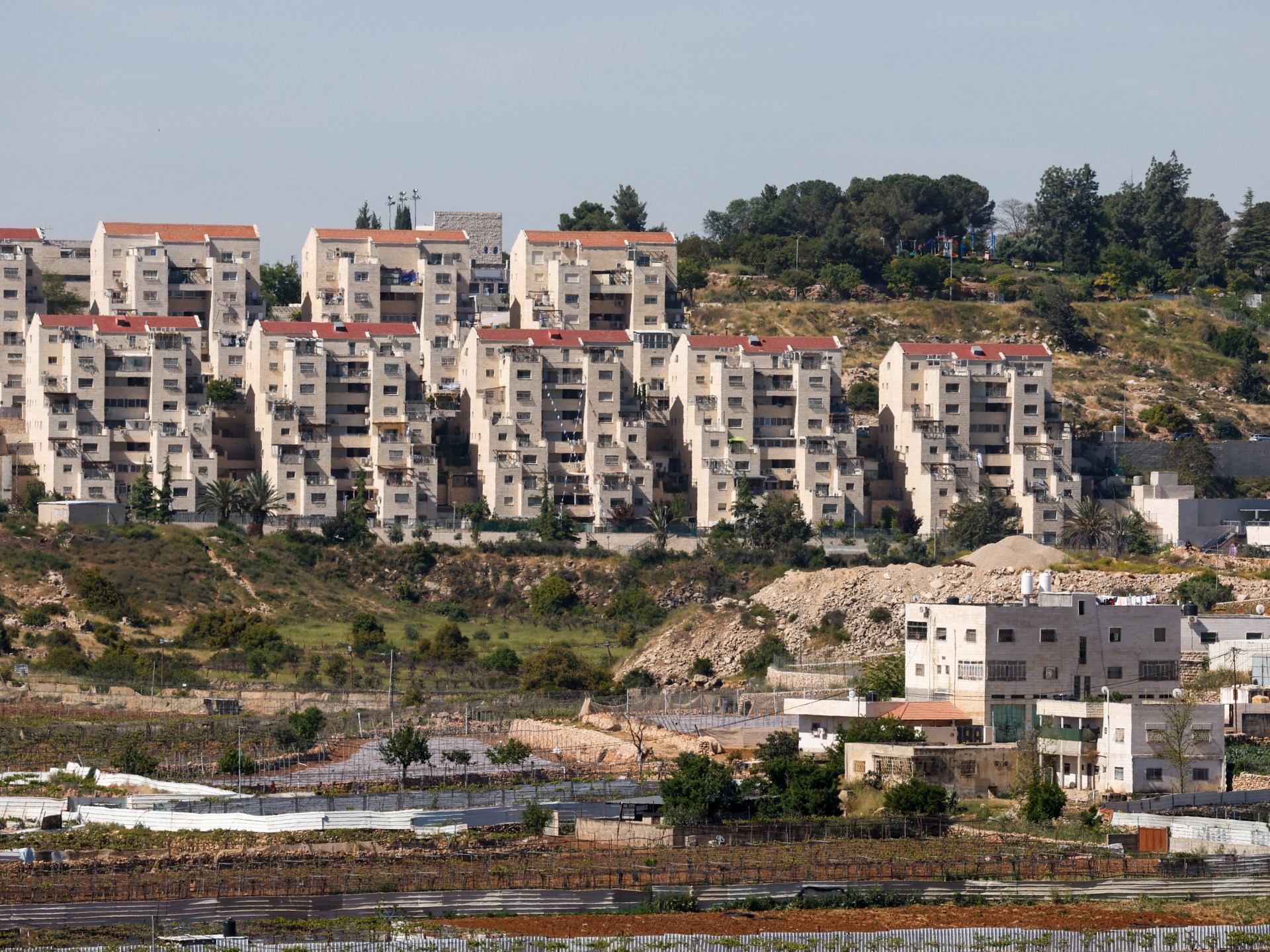
The warning came as attention focused on a plan to build thousands of new housing units in the E1 area east of occupied East Jerusalem, a project that would physically connect the Ma’ale Adumim settlement to Jerusalem [1]. Al Jazeera described the proposal this way: “The plan to build thousands of new housing units in the E1 area, east of occupied East Jerusalem, would link the large and illegal Ma’ale Adumim settlement with Jerusalem” [1].
The nine countries’ statement did not just criticize violence, but also pressed Israel to stop expanding settlements in the occupied West Bank, according to Al Jazeera’s account of the document [2]. Al Jazeera reported that “Nine Western countries have urged Israel to stop expanding its settlements in the occupied West Bank, in a joint statement” [2].
The statement’s emphasis on the E1 area reflects long-running international concerns that construction there could further fragment Palestinian territory in the West Bank and complicate the geographic contiguity often cited as necessary for a viable Palestinian state, as the project would link Ma’ale Adumim with Jerusalem [1].
The joint statement was issued on May 22, 2026, and was reported as coming from nine Western countries, including the United Kingdom, France, Germany, Italy, Canada, Australia and New Zealand, according to the event details and Al Jazeera’s reporting [2]. The statement’s central claims—that settler violence has reached “unprecedented levels” and that Israeli government policies are undermining stability and the two-state outlook—were presented as the countries’ rationale for urging a halt to settlement expansion [2].
The countries’ intervention also highlighted the West Bank as the focal point of their concerns, with the statement explicitly pointing to “settler violence” there and tying it to broader political consequences for any future two-state agreement [2]. The warning landed as scrutiny intensified around the E1 building plan east of occupied East Jerusalem, which Al Jazeera said would link Ma’ale Adumim with Jerusalem through thousands of new housing units [1].
Timeline· Developing
Despite ongoing indirect ceasefire talks in Egypt and a fragile ceasefire, Israeli forces, under Netanyahu's renewed orders for 'forceful strikes,' have escalated violence by killing over 340 Palestinians—including 274 in a deadly raid on Nuseirat camp, 33 on Sunday, and additional casualties on July 11, 2025—while firing warning shots near Gaza aid sites, encircling Gaza City, pushing civilians south amid fears of a large-scale ground offensive; Israel has also ramped up demolitions of Palestinian homes ahead of fall elections, exacerbating the humanitarian crisis, mass displacement, regional tensions, diplomatic strains, and legal setbacks for Palestinians such as the Sheikh Jarrah residents' defeat and mass arrests to quell dissent, alongside international condemnation and US sanctions triggered by Israel’s National Security Minister Itamar Ben Gvir's provocative actions toward detained flotilla activists.
Large Gaza City building destroyed in strikes
Israeli forces destroyed one of Gaza City’s largest buildings, signaling an escalation in targeting high-rise and densely populated areas and contributing to mass displacement and infrastructure loss in the city.
Israel intensifies forced evacuations and bombardment
Israeli authorities stepped up forced evacuation orders and launched an intensified bombardment of Gaza City, while announcing plans for a Gaza City assault and calling up tens of thousands of reservists, marking a major operational escalation.
Airstrikes hit homes, killing families and children
A series of strikes struck residential buildings and civilian sites in Gaza City, killing dozens including entire families and children and hitting community targets such as a football academy, underscoring the heavy civilian toll of the operation.
ICJ orders Israel to allow aid into blockaded Gaza
The International Court of Justice ruled that Israel must permit aid into the blockaded Gaza Strip, a legal rebuke tied to concerns about the humanitarian impact of the intensified evacuations and siege conditions.
Mass movements as displaced walk to Gaza City
Tens of thousands of Palestinians moved on foot toward Gaza City amid the shifting frontlines and evacuation orders, illustrating large-scale displacement and the chaotic population flows triggered by the intensified campaign.
Bombardment continues amid regional escalation
Israeli forces continued near-daily bombing of Gaza into early April, with strikes killing dozens more and aid access remaining constrained, even as the conflict environment broadened amid related regional tensions.
Related Coverage (2)

Ben-Gvir video prompts ambassador summons by Italy, France, the Netherlands and Canada
A video posted by Israel’s National Security Minister Itamar Ben-Gvir showed detained foreign activists kneeling with their hands bound as they were shoved and taunted.
Gaza journalist Yahya Sobeih died hours after welcoming newborn daughter Sana
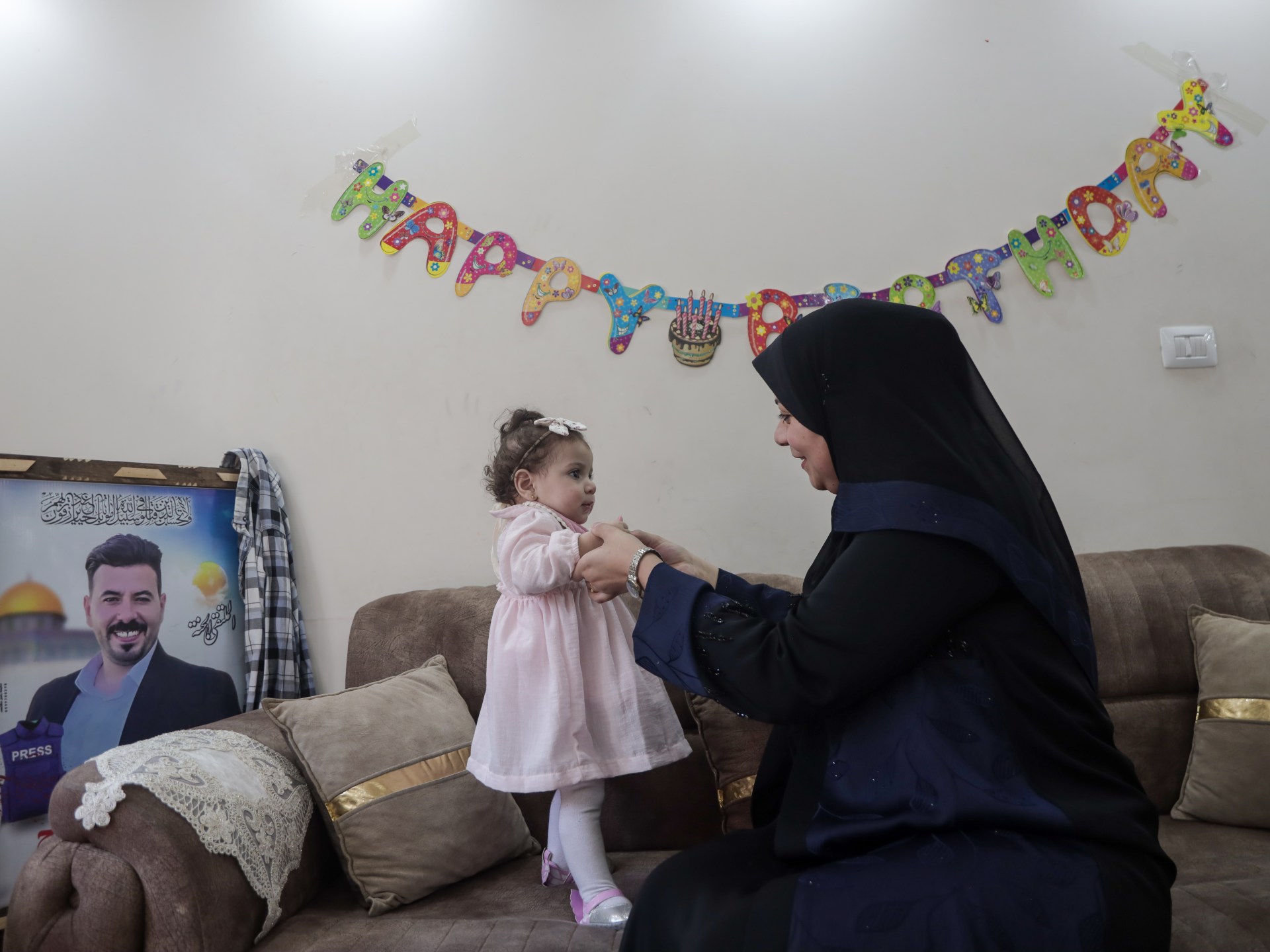
At around 6 a.m. on May 7, 2025, Yahya Sobeih took his wife, Amal, to a hospital in Gaza City as she went into labor.
Sources (2)
Published May 22, 2026
Synthesized from 2 sources