



DR Congo Ebola outbreak tops 900 suspected cases as Bundibugyo strain leaves responders without approved vaccines
At least 904 suspected Ebola infections and 119 suspected deaths had been recorded in eastern Democratic Republic of the Congo by May 24, a tally that health officials warn is likely still catching up to reality as new alerts continue to surface in hard-to-reach communities.[6]
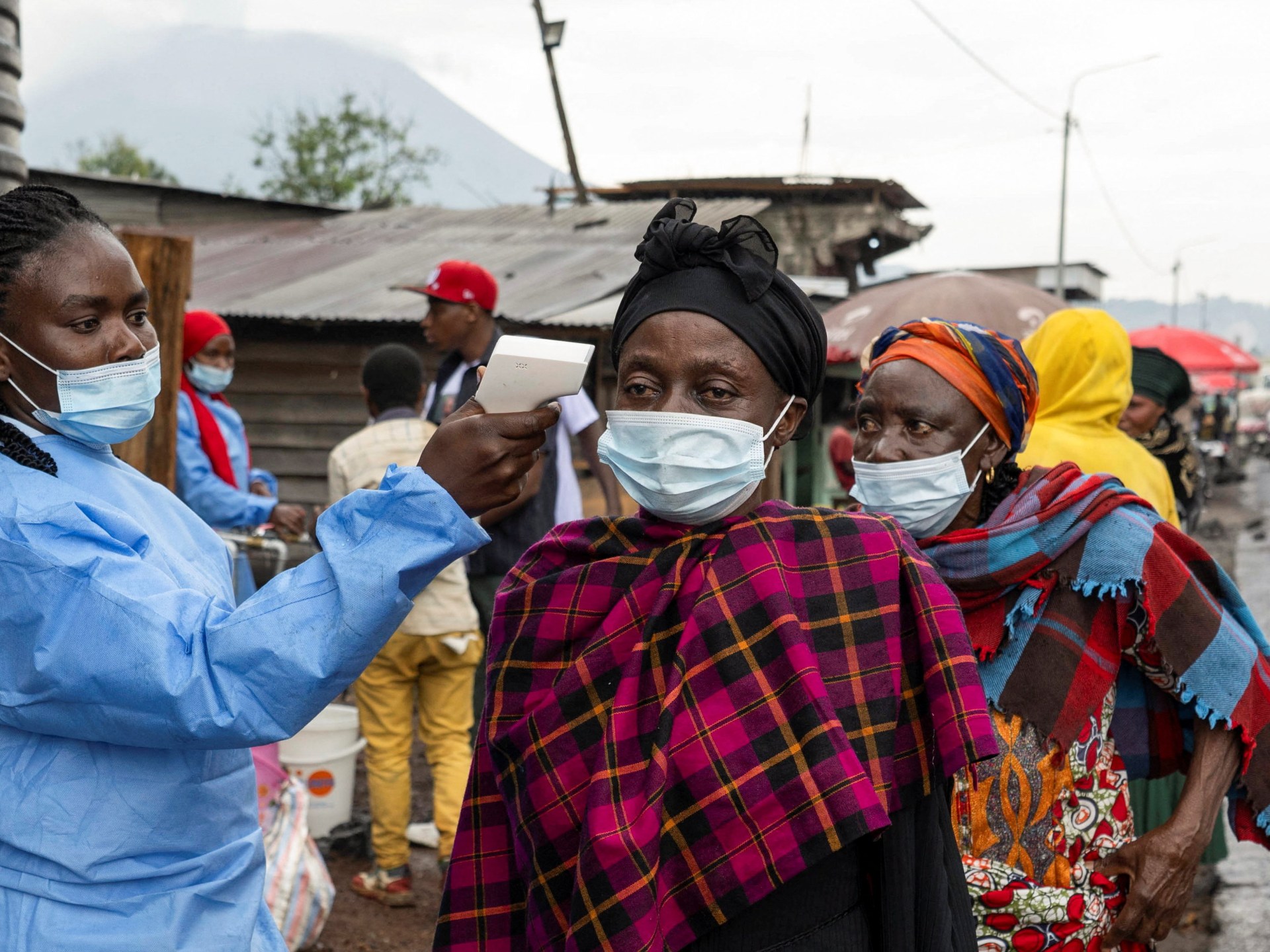
World Health Organization Director-General Tedros Adhanom Ghebreyesus said surveillance teams had identified “more than 900 suspected cases … so far,” and warned that delays in detecting infections meant responders were now “playing catch-up” as they try to trace contacts and isolate the sick before the virus spreads further.[1][2]
The Congolese government, which declared the outbreak on May 15, said the epidemic is being driven by the Bundibugyo strain—an Ebola variant for which there are no approved vaccines or treatments—complicating efforts that in other outbreaks have relied on rapid vaccination rings and established drug protocols.[5]
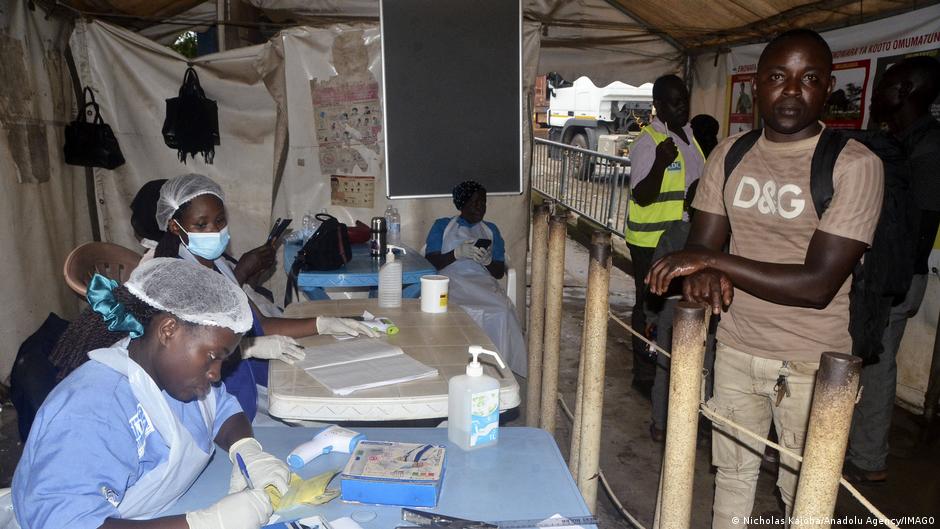
Cross-border anxiety has intensified after two Congolese nationals who sought medical care in Uganda later tested positive for Ebola, a development that has sharpened scrutiny of travel and screening measures beyond the immediate epicenter.[3] Thailand has since classified Congo and Uganda as Ebola-affected zones, and a technical committee advising the country’s Department of Disease Control has advocated quarantine measures for asymptomatic arrivals from the two African nations, according to Dr. Montein Kanasawadse.[3]
The World Health Organization has assessed the risk as “very high” within DR Congo while judging the global risk to remain low, a balance that reflects both the severity on the ground and the limited pathways for wider spread when outbreaks are rapidly contained.[6] The surge is the latest chapter in a deteriorating situation that began on May 15, when Congo announced a new outbreak in the east, and escalated on May 17 when WHO declared an emergency as treatment capacity was being expanded in Ituri Province.
On the ground, insecurity is undermining response efforts. Dr. Richard Lokudu said residents in Mongbwalu attacked and set fire to a Doctors Without Borders tent set up for suspected and confirmed cases, echoing reports of arson that burned treatment centers in two towns last week.[3][4] Congolese authorities have ordered that burials of suspected Ebola victims be handled by officials and banned funeral wakes and gatherings of more than 50 people in the northeast, seeking to curb transmission while tensions rise around the outbreak response.[3]
How it's being framed
More than 900 suspected cases have already surfaced, and delayed detection has forced teams to catch up.
The Bundibugyo strain lacks approved vaccines and treatments, raising the stakes for containment and infection control.
“the outbreak now poses a “very high” risk for the Democratic Republic of Congo, but that the risk of the disease spreading globally remains low”
— ALJAZEERA
Authorities tightened funeral and gathering rules, including restricting wakes and large gatherings in northeastern Congo.
Residents attacked response infrastructure, including setting fire to a Doctors Without Borders tent for Ebola patients.
“a group of residents of Mongbwalu attacked and set fire to a tent set up for suspected and confirmed Ebola cases by the Doctors Without Borders”
— The Independent
Arson attacks burned treatment centers in two towns in eastern Congo, underscoring the security challenge for responders.
“The burning last week of the centers in two towns at the heart of the outbreak”
— The Washington Times
Timeline· Developing
The African public health agency reports a worsening Ebola outbreak in DR Congo, Uganda, and South Sudan with over 220 deaths and more than 900 suspected cases centered in Ituri Province, as escalating violence—including multiple arson attacks and mob assaults on treatment centers causing patients to flee—severely hampers response efforts amid community resistance, critical medical shortages, and intensified global actions such as WHO's health emergency declaration, U.S. travel restrictions, and accelerated drug trials, underscoring the urgent need for enhanced coordinated international support to control the epidemic.
African health agency confirms Ebola outbreak
The Africa Centres for Disease Control and Prevention and other regional health authorities formally confirmed an Ebola outbreak in the Democratic Republic of Congo, marking the official start of the reported incident.
- Initial reports put death toll at 65 in eastern DRC
Early reporting from the outbreak's epicenter in eastern DR Congo said roughly 65 people had died, indicating a fast‑moving and lethal local outbreak.
Deaths climb and outbreak spreads into Uganda
By the following day the reported death toll had risen (reports cited roughly 80–87 deaths) and infections were reported to have crossed the border into Uganda, signaling regional spread of the outbreak.
WHO warns of 'extraordinary' Ebola strain
The World Health Organization publicly warned that the strain involved and the outbreak dynamics were 'extraordinary,' elevating international concern about transmissibility and severity.
WHO declares global public health emergency
The WHO declared the Ebola outbreak in DR Congo and Uganda an international (global) public health emergency, mobilizing global attention and resources to contain the spread.
Sources (6)
WHO chief says suspected Ebola deaths at 220 as epidemic ‘outpacing us’
aljazeera.com
Ebola ‘epidemic is outpacing us,’ WHO chief says, as cases and deaths rise
theglobeandmail.com
Ugandan health officials report new Ebola virus infections, bringing cases to 7
independent.co.uk
Uganda reports more Ebola virus infections, bringing cases to 7
washingtontimes.com
Uganda confirms 2 new Ebola cases, DRC infections hit 900
dw.com
Number of suspected Ebola cases in DR Congo passes 900 as health workers face attacks and shortages
theguardian.com
Published May 24, 2026
Synthesized from 9 sources