



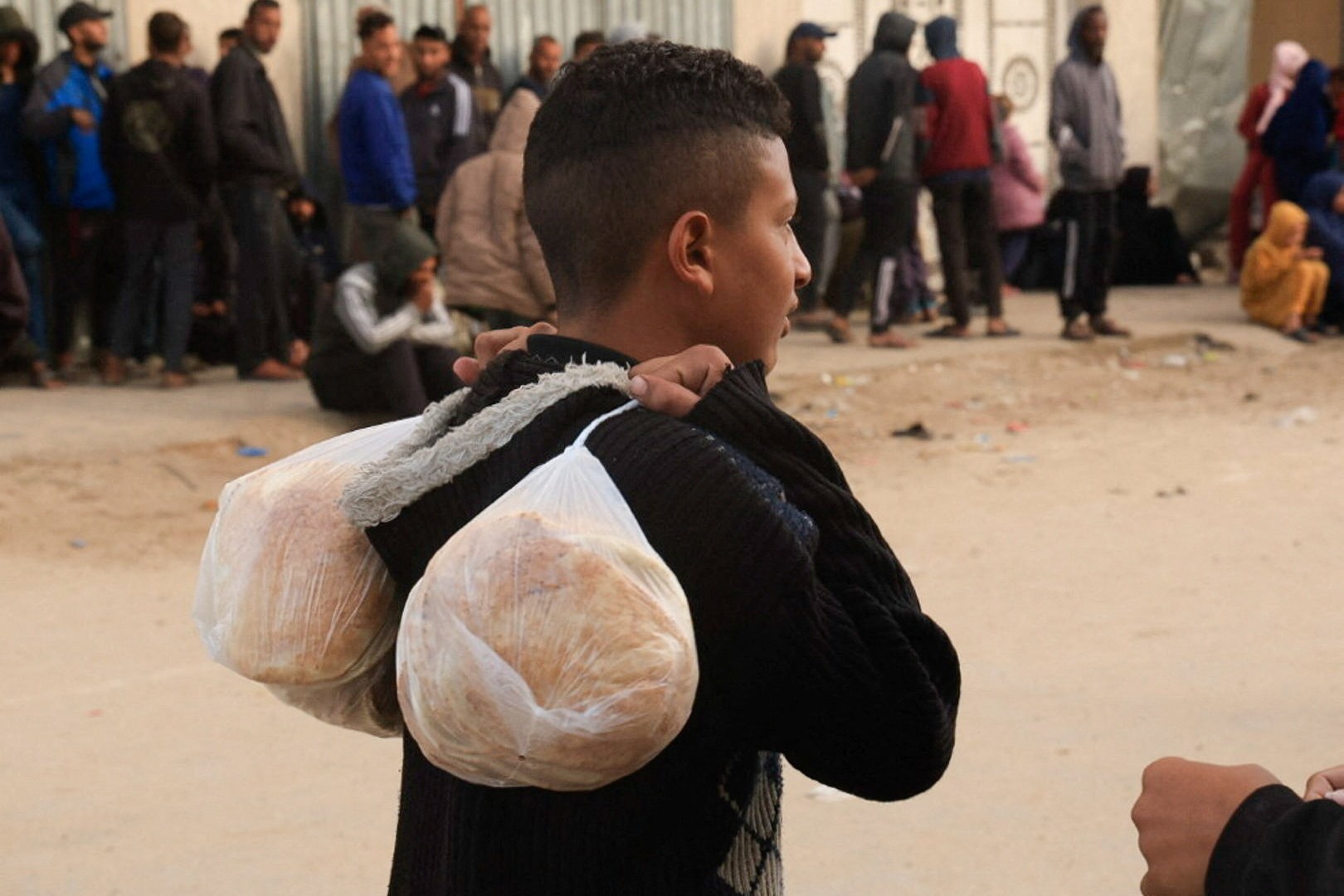
Gaza flour deliveries fall to 200 tonnes a day versus 450-tonne need as bakeries cut output
Bread lines have been lengthening across Gaza as flour deliveries sink far below what local officials say is needed to keep ovens running. Ismail al-Thawabta, a Gaza official, said the territory requires about 450 tonnes of flour per day, but only 200 tonnes were coming in last month, a gap that has forced bakeries to curb output and left families struggling to secure basic staples.[2]
Al Jazeera reported that Israel restricted fuel and flour imports into Gaza in recent weeks, tightening the flow of key supplies that bakeries rely on to mix dough, power equipment and bake at scale. With less fuel available, even facilities that still have some flour have faced interruptions, compounding shortages and pushing more residents into longer queues for bread.[1][2]
The squeeze on flour and fuel comes amid a prolonged crisis that has repeatedly reshaped daily life in the enclave since Hamas’s Oct. 7, 2023, attack on Israel and the Israeli military campaign that followed. The war has also included intensified operations such as Israeli forces targeting Gaza’s largest hospital on Nov. 15, 2023, alleging it housed a Hamas command center, one of a series of actions that have deepened disruption to civilian services.[2]
For bakeries, the arithmetic is unforgiving: when supply falls to less than half the stated daily requirement, production cuts quickly translate into scarcity at storefronts, and the queue becomes the market.[2]
Timeline· Developing
Since the Donald Trump administration's Gaza peace plan launch in January 2026, the region has endured a multifaceted crisis marked by Hamas's October 7 terror attack, severe Israeli military reprisals and siege tactics worsening Gaza's humanitarian situation, multiple hostage releases, EU sanctions, Israeli legal actions, extended truces and ceasefire agreements brokered by international actors, reports of atrocities including the 2025 massacre of Gaza aid workers, U.S. arms sales amid growing domestic opposition exemplified by Rep. Delia Ramirez's 'Block the Bombs' bill, widespread protests, diplomatic efforts such as Turkey's unprecedented talks with Hamas, missile attacks from Yemen, targeted Israeli strikes killing Hamas leaders, U.S. sanctions on a U.N. expert, interception of Gaza-bound aid flotillas involving activists like Greta Thunberg and Catherine Connolly’s sister with ensuing international tensions and protests, a new Greta Thunberg aid flotilla planned from Spain, a significant U.S.-China diplomatic agreement to prevent escalation, Israel's intensified siege on Qalandia Refugee Camp alongside settlement expansions, the second meeting between Donald Trump and Benjamin Netanyahu focused on negotiating a ceasefire in Gaza, ongoing drone attacks and explosions targeting aid shipments, admissions of Hamas use of Gaza hospitals as safe havens, reports of violence during flotilla interceptions, reopening of Gaza's Rafah border crossing under the 2026 ceasefire, a US, Qatar, Egypt, and Turkiye-brokered three-phase ceasefire deal, emerging financial challenges threatening reconstruction efforts highlighted by Trump's Board of Peace funding shortfall, Steve Witkoff and Huckabee's recent visits to assess Gaza's humanitarian crisis amid starvation reports, the release and deportation of Australian flotilla activists by Israel amid backlash, Ireland’s President Connolly expressing pride in her detained sister en route to Gaza, Israeli military detaining and deporting Irish activists from international waters after intercepting a Gaza-bound flotilla, Israel's formation of a secret elite unit to target the October 7 Hamas attackers, the recent killing of six Gaza journalists by Israel drawing global condemnation including the bombing of Al Jazeera journalists and blocking the rescue of a cameraman, the latest Gaza-bound ‘Conscience’ aid flotilla sailing amid anticipation of Israeli interception, most recently, Irish activists detained by Israel after Gaza aid flotilla and deported to Turkey, and as Gaza’s health system collapses, a Jewish Voice for Peace doctor occupied a Washington Senator’s office calling urgently for a ceasefire, underscoring the enduring humanitarian, security, diplomatic, and financial complexities in the region.
Trump launches phase two, offers Hamas disarmament
Trump launched phase two of his Gaza peace effort and his mediators formally offered Hamas a proposal to give up its weapons in Gaza, framing disarmament as a central condition for moving forward. This set the negotiating terms that would define subsequent ceasefire and deal talks.
Trump releases 20-point peace plan; hostages freed
Trump publicly released a 20-point Gaza peace plan while noting Hamas had not agreed to it; around the same time three Israeli hostages were freed in a prisoner exchange. The plan's publication made its conditions official even as on-the-ground confidence-building measures proceeded.
Ceasefire phase announced; Hamas accepts parts
Trump announced that Israel and Hamas had signed a phase of a Gaza ceasefire, with Israel agreeing to defined conditions (including a reported 60-day pause) and Hamas accepting parts of the plan; bombing eased and some civilians began returning. The partial agreements temporarily reduced violence and enabled humanitarian access in places.
Hamas rejects broader Trump terms; Israel accepts
Reports indicated Hamas rejected Trump's broader terms for ending the conflict while Israel signaled it accepted the proposals and was ready to end the war imminently if conditions were met. The split highlighted the central obstacle — Hamas's unwillingness to fully agree to disarmament and political concessions.
Remaining Israeli hostages released in Gaza
Hamas released the remaining Israeli hostages held in Gaza in a prisoner exchange, marking a significant humanitarian development tied to the ceasefire phase. The releases eased one of the most acute human costs of the conflict and tested the durability of the truce arrangements.
Trump and Netanyahu unveil major Gaza deal
Trump and Israeli Prime Minister Benjamin Netanyahu publicly unveiled a major Gaza deal and warned Hamas about the consequences of rejecting it, presenting the agreement as a political milestone in the peace effort. The announcement aimed to consolidate international backing while pressing Hamas to accept the plan's terms.
U.S. closes flagship Gaza mission as plan stalls
U.S. officials moved to close the country's flagship Gaza mission amid reports that Trump's peace plan had stalled and key conditions — notably Hamas disarmament — remained unmet. The closure signaled a setback for the initiative and underscored ongoing implementation challenges.
Related Coverage (5)
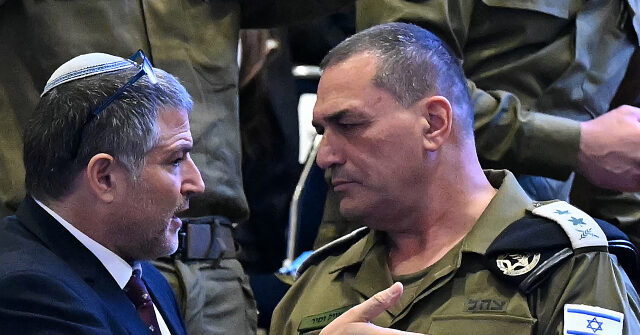
Israel’s NILI task force built database of thousands to find Oct. 7 attackers
Israeli intelligence personnel used tools including facial recognition, intercepted communications, cellphone location data, social media footage, and detainee interrogations to identify suspects tied to the Oct. 7 attack.

Global Sumud Flotilla activists reach Istanbul after 80 hours detained, prompting Netanyahu rebuke of Ben-Gvir
Video posted by Israel’s national security minister Itamar Ben-Gvir showed detained pro-Palestinian flotilla activists kneeling while bound, drawing international condemnation and a rare public rebuke from Prime Minister Benjamin Netanyahu.
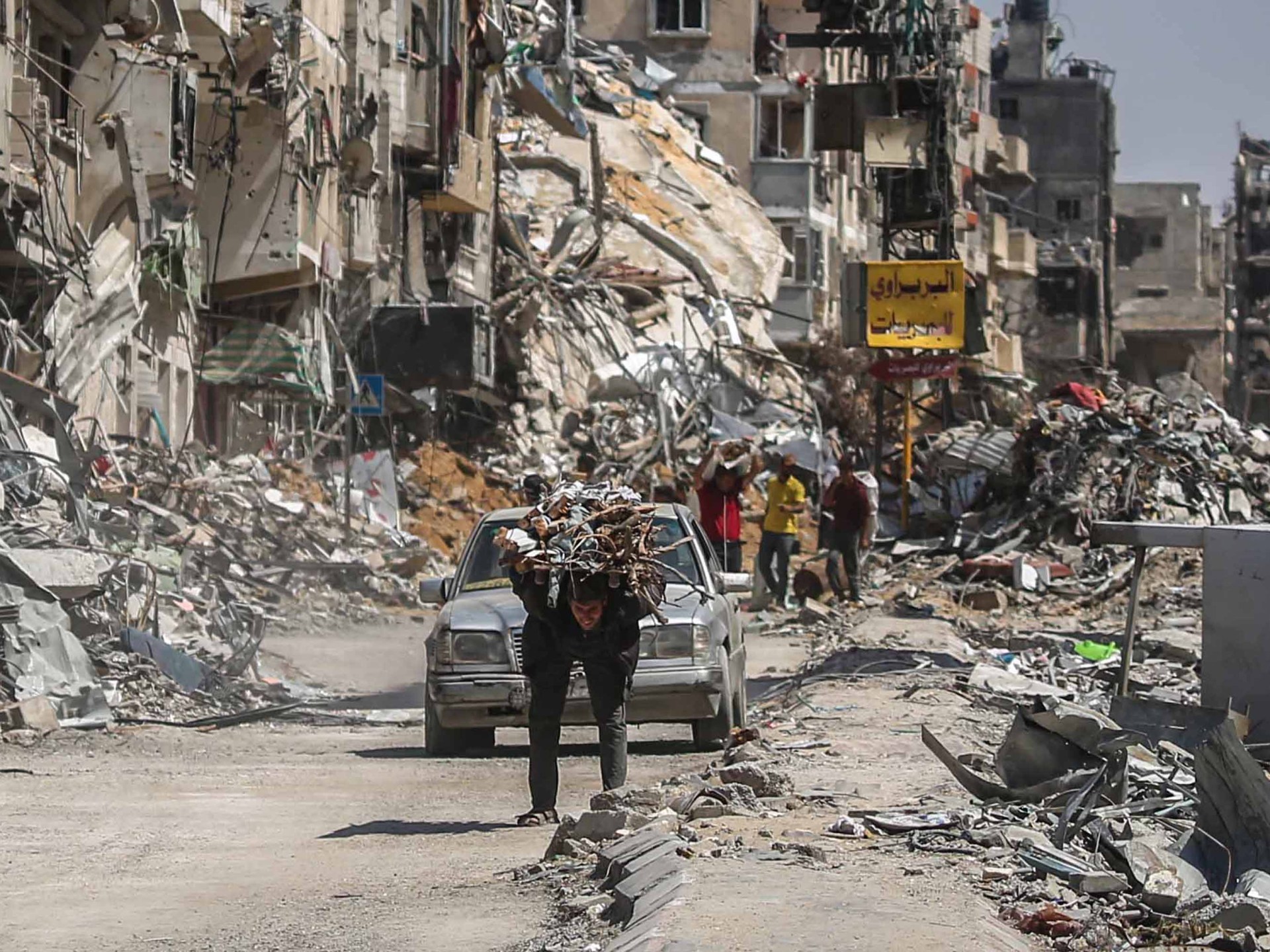
Trump’s Board of Peace warns funding gap threatens $70bn Gaza reconstruction plan
Moath al-Amoudi, described as “The Palestinian keffiyeh,” said donors fear engaging with a board that carries “no political vision” and treats Gaza as an American security protectorate.
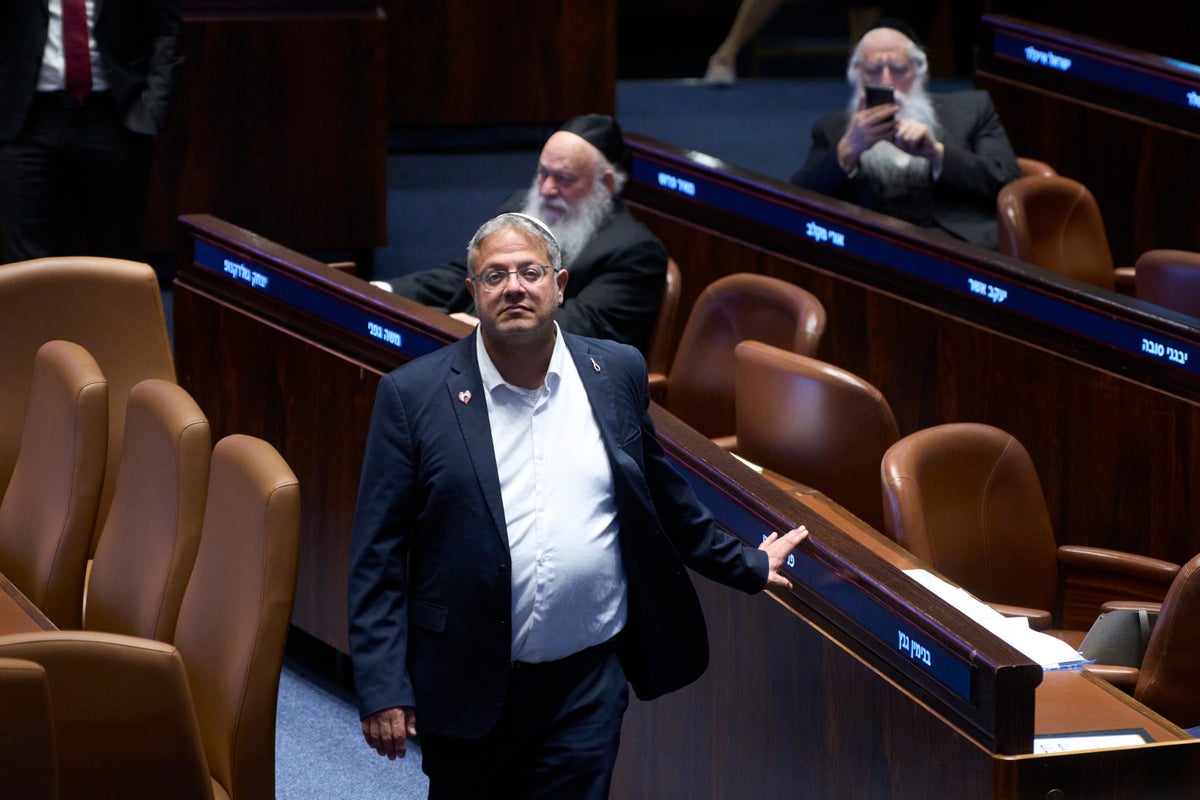
Ben-Gvir video shows about 430 flotilla detainees at Ashdod as he calls for 'long, long' jail time
Around 430 detained flotilla activists appear in a May 20 video at Ashdod port and on a ship deck, including images of detainees kneeling with hands tied behind their backs.
Israeli forces board Gaza-bound Global Sumud Flotilla vessels and detain activists
The Global Sumud Flotilla said Israeli military personnel boarded several of its vessels off the coast of Cyprus as the convoy tried to continue toward Gaza.
Sources (2)
Published May 18, 2026
Synthesized from 2 sources