




U.S. says Iran will dispose of highly enriched uranium as Hormuz blockade lift is planned
A planned move to ease maritime pressure in one of the world’s most critical oil chokepoints is now being tied to a far more consequential demand: Iran’s highly enriched uranium.
U.S. officials say Washington is preparing to lift its blockade of the Strait of Hormuz as part of a broader agreement in which Iran has, at least in principle, agreed to dispose of its stockpile of highly enriched uranium. The package is being framed as a de-escalation step with immediate regional and economic stakes, given the strait’s central role in global energy flows. [1]

The New York Times reported that the uranium issue was not initially accepted by Tehran for an opening phase of the arrangement, with Iran “originally balked” at including any agreement covering the stockpile. U.S. negotiators, communicating through intermediaries, warned that without an early commitment they would walk away from the talks and resume their military campaign, after which Iran shifted toward committing to giving up the material as part of a proposed agreement announced in May 2026. [2]
The maneuvering comes after years of stop-start nuclear diplomacy dating back to January 21, 2021, when the United States withdrew from the Iran nuclear deal, and amid mounting distrust after Iran disconnected International Atomic Energy Agency cameras on June 10, 2022. Those earlier ruptures have made even provisional steps—like a Hormuz reopening paired with uranium disposal—politically fraught and strategically high-risk. [2]
Timeline· Live
The Israel-Iran conflict, ignited by Iran's May 4, 2026 attacks and marked by intense military clashes, proxy wars, diplomatic deadlocks—including stalled U.S. nuclear talks delayed by former President Donald Trump's criticisms—a fragile Israel-Lebanon ceasefire shattered by Israeli drone strikes killing civilians and further broken by Israel's retaliatory strikes following Hezbollah missile attacks, Secretary of State Marco Rubio's announcement of significant yet non-final progress on a draft Iran peace deal, escalating missile strikes, economic sanctions, regional attacks, U.S. military withdrawals and deployments, the UAE's deportation of Pakistani Shiites causing job losses and frozen savings amid the war, recent oil prices falling below $100 a barrel on hopes of an Iran peace deal, new investigations by counter-terror police into whether Iran ordered a series of arson attacks in London, Democratic Rep. Ro Khanna's claim of having enough votes to invoke the War Powers Act to limit former President Trump's actions on Iran, and Iran's president ordering the reopening of international internet access, continues to complicate prospects for lasting de-escalation and regional stability amid mounting domestic and international political challenges, even as Singapore's economy grew 1% in Q1 2026 defying the broader regional slowdown caused by the Iran war.
Trump cancels Iran peace talks, calls Iran 'in collapse'
The president abruptly canceled planned Iran peace talks and publicly described Iran as being in a 'state of collapse,' while announcing an indefinite extension of a ceasefire; the moves set a confrontational tone as tensions in the Strait of Hormuz rose.
Trump says he's reviewing new Iran peace proposal
The president said he was reviewing a new proposal from Iran to end the war, indicating that diplomatic options were still being considered even as military and economic pressures mounted.
UAE reports Iranian strikes; US launches Gulf rescue operation
The UAE reported missile and drone strikes incoming from Iran, and the U.S. launched an operation to assist ships trapped in the Gulf amid an apparent Iranian blockade attempt, marking a sharp escalation in regional hostilities.
US intercepts blockade runners, says ceasefire still holds
U.S. forces intercepted six vessels attempting to breach an American blockade during the operation to reopen the Strait of Hormuz, and officials said the broader ceasefire still held while the White House had privately warned Iran before the operation.
US disables Iranian tanker, fires on blockade runner; Trump warns
U.S. forces disabled an Iran-flagged tanker violating the Strait blockade and an F/A-18 fired on a blockade-running ship's rudder after it failed to comply with warnings; the president followed with public threats of further strikes and an ultimatum.
Related Coverage (2)
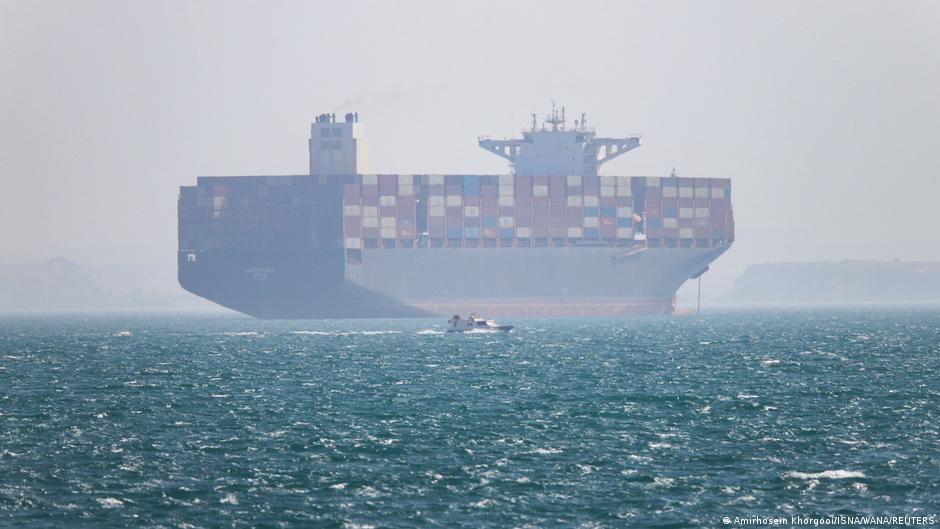
US says Iran ceasefire still stands as Caine cites nine attacks on commercial vessels
Gen. Dan Caine, the chairman of the Joint Chiefs of Staff, said Iran fired at commercial vessels nine times and seized two container ships since the ceasefire.
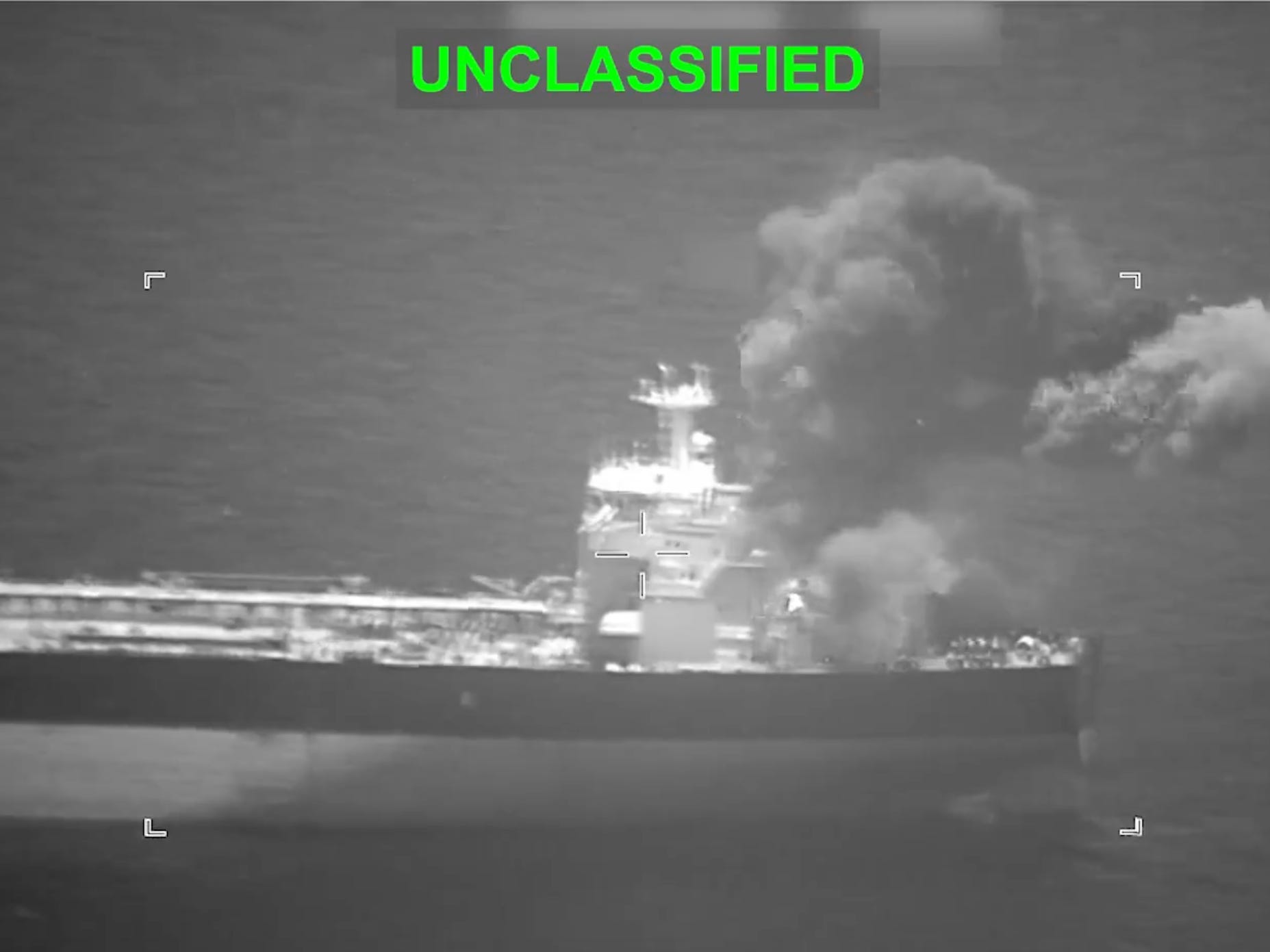
US Navy Super Hornet disables M/T Hasna’s rudder with 20 mm cannon fire
The ship “failed to comply” with repeated US military warnings that it was sailing in violation of a blockade of Iran’s ports.
Sources (2)
Published May 24, 2026
Synthesized from 3 sources